Based on your request, here is a comprehensive guide to creamy coconut pudding, covering everything from a historical introduction and step-by-step recipes to detailed nutritional information and benefits.
A Brief History of Coconut Cream and Its Pudding
The use of coconut cream is deeply rooted in the culinary traditions of tropical regions, particularly in Southeast Asia, the Pacific Islands, and South America, where the coconut palm is often called the “tree of life” for its many uses. The earliest versions of coconut pudding were likely simple mixtures of coconut milk or water with local starches like tapioca or rice flour.
From these origins, coconut cream spread globally through trade and exploration, eventually becoming a popular ingredient worldwide. Its rich, dairy-free creaminess has made it a staple in vegan, ketogenic, and allergy-friendly diets in modern times.
Core Ingredients: Understanding Coconut Cream
The key to a great pudding is understanding its base ingredient. Coconut cream is the thick, rich layer skimmed from the top of chilled coconut milk. It’s important to distinguish it from similar products:
· Coconut Cream: Unsweetened, very thick, used in cooking and desserts.
· Coconut Milk: Thinner, contains more water; the base for making cream.
· Cream of Coconut: Sweetened, syrupy, used primarily in cocktails (like Piña Coladas).
Nutritional Profile (per 1/2 cup / 90g of coconut cream):
· Calories: 200
· Fat: 20g (with about 19g being saturated fat)
· Carbohydrates: 3g
· Protein: 2g
· Potassium: 5% of Daily Value
Classic Stovetop Coconut Cream Pudding
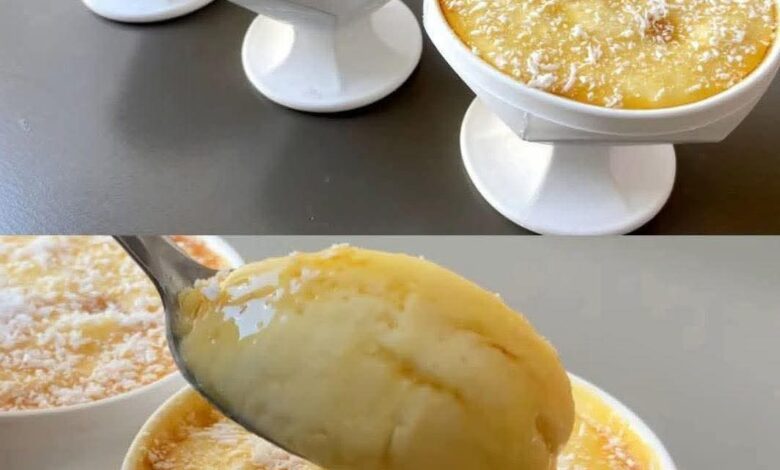
This custard-style pudding is rich, creamy, and reminiscent of the filling from a coconut cream pie.
Ingredients:
· Coconut Milk: 1 can (14 oz / 400 ml) full-fat, for best results.
· Dairy Liquid: 1 ¼ cups whole milk or half-and-half cream.
· Eggs: 2 large, for structure and richness.
· Sweetener: ¾ cup white sugar.
· Thickener: ⅓ cup cornstarch.
· Salt: ¼ tsp, to balance sweetness.
· Flavor: 1 tsp vanilla extract.
· Texture: ¼ cup sweetened shredded coconut.
· For Serving (optional): Whipped cream and toasted coconut.
Step-by-Step Instructions:
1. Combine Base: In a large saucepan, whisk together the coconut milk, dairy liquid, eggs, sugar, cornstarch, and salt until completely smooth.
2. Cook Gently: Place the saucepan over medium-low heat. Cook, stirring regularly at first and then constantly once it begins to steam. This slow heating prevents the eggs from scrambling. It will take 10-15 minutes for the mixture to thicken.
3. Finish Cooking: Cook until the pudding noticeably thickens and a single bubble breaks the surface. Do not let it boil vigorously. Immediately remove from heat.
4. Incorporate Flavors: Whisk in the vanilla extract and shredded coconut.
5. Chill: Pour the pudding into a large bowl or individual serving dishes. To prevent a skin from forming, press plastic wrap directly onto the surface of the pudding. Refrigerate for at least 2-4 hours until fully set.
Quick & Dairy-Free Blender Coconut Pudding
For an instant, no-cook option, this recipe uses fresh, young Thai coconut meat for a uniquely pure flavor and creamy texture.
Ingredients:
· Coconut Meat: 1 cup (from 1 young Thai coconut).
· Coconut Water: ¼ cup (from the same coconut).
· Sweetener: 1 tbsp raw honey or 12 drops liquid stevia.
· Flavor: 1 tsp vanilla extract and a pinch of sea salt.
Step-by-Step Instructions:
1. Blend: Combine all ingredients in a high-powered blender.
2. Process: Blend on high until the mixture is completely smooth and creamy.
3. Chill & Serve: Pour into serving dishes and refrigerate for about 1 hour to thicken further. For immediate serving, add 4-5 ice cubes while blending.
Nutritional Breakdown and Health Considerations
The nutritional value of coconut pudding varies significantly based on the recipe. The data below compares a ½ cup (140g) serving of two common types.
· Traditional Homemade Pudding
· Calories: 146-200
· Total Fat: 4-10g
· Saturated Fat: 3-13g
· Carbohydrates: 25-48g
· Sugars: Not specified
· Protein: 3-4g
· Key Nutrients: Good source of Calcium (16% DV) and Riboflavin (16% DV).
· Dairy-Free Blender Pudding
· Calories: ~317
· Total Fat: ~16g
· Saturated Fat: ~13g
· Carbohydrates: ~48g
· Sugars: ~32g
· Protein: ~3g
· Key Nutrients: Provides Fiber (5% DV).
Potential Benefits & Considerations:
· Dairy-Free & Vegan: Naturally lactose-free; a good alternative for those avoiding dairy.
· Medium-Chain Triglycerides (MCTs): The saturated fat in coconuts is primarily in the form of MCTs, which some research suggests may be metabolized differently than other fats and could offer a quick energy source.
· Points for Moderation: Both coconut cream and pudding are high in calories and saturated fat. Health authorities like the American Heart Association recommend limiting saturated fat intake. Traditional recipes can also be high in added sugars.
Tips, Variations, and Serving Suggestions
· For the Perfect Texture: When making the stovetop version, patience is key. Heating too quickly can cause the eggs to curdle. If lumps form, you can often whisk them out vigorously or use an immersion blender before adding the coconut.
· Flavor Variations:
· Chocolate: Add 2-3 tablespoons of cocoa powder to the base mixture.
· Tropical: Layer with fresh mango or pineapple chunks.
· Nutty Crunch: Top with chopped toasted macadamia nuts or almonds.
· Serving Ideas: Serve chilled with a dollop of whipped cream (or coconut whipped cream), a sprinkle of toasted coconut for added flavor and texture, and fresh berries.
Conclusion: A Dessert for Many Tastes
Coconut pudding is a wonderfully versatile dessert with a rich history. Whether you prefer the classic, custardy comfort of the stovetop version or the fresh, immediate satisfaction of the dairy-free blender pudding, it offers a tropical escape in a bowl. By understanding its ingredients and nutritional profile, you can enjoy this creamy treat in a way that fits your lifestyle and dietary preferences.
I hope this comprehensive guide helps you create and enjoy your perfect coconut pudding. Are you more interested in trying the classic custard method or the quick blender version?