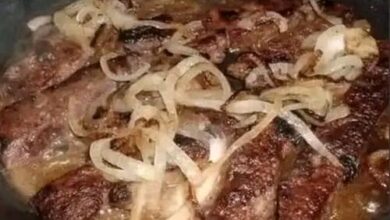
Here is a comprehensive guide to Fried Chicken Livers, presented as a “big recipe” covering everything from history to preparation and nutrition.
The Humble Delicacy: A Comprehensive Guide to Perfect Fried Chicken Livers
Introduction
Fried chicken livers are the epitome of nose-to-tail eating, a dish that transforms an often-overlooked offal cut into a crispy, creamy, and deeply savory delicacy. For the uninitiated, the idea might be daunting, but for lovers of this dish, it represents the ultimate comfort food. When prepared correctly, chicken livers offer a unique textural experience: a thin, shatteringly crisp exterior giving way to a rich, velvety, and melt-in-your-mouth interior. Their flavor is intensely savory, mineral, and earthy—a concentrated essence of chicken. This guide will walk you through everything you need to know to create a plate of perfect fried chicken livers, from their surprising history to the step-by-step technique that ensures success.
History & Formation: From Survival Staple to Southern Icon
The story of fried chicken livers is a story of resourcefulness. In many cultures, wasting food was, and is, unthinkable. Offal—the organs and less desirable parts of an animal—were never discarded but were instead transformed into nourishing meals.
· Early Beginnings: The practice of eating and frying organ meats likely dates back centuries across Europe and Africa. It was a way for poorer communities to afford protein.
· The Southern American Connection: The dish became particularly iconic in the American South. Enslaved people and poor rural communities had to make do with the parts of the animal that plantation owners or wealthier families didn’t want. This led to a rich culinary tradition centered on offal, including chitterlings, pig’s feet, and chicken livers.
· From Necessity to Delicacy: Over time, these dishes became so beloved that they transcended their origins. Southern cooks perfected the art of seasoning and frying, turning a simple ingredient into a sought-after treat. They became a staple at meat-and-three restaurants, fish camps, and family dinner tables across the region. Today, they are enjoyed not out of necessity, but for their unique, irreplaceable flavor and texture.
The Lovers: Who Eats Fried Chicken Livers?
The fans of this dish are a dedicated and passionate bunch. They are often:
· Traditionalists: People who grew up eating them at a grandparent’s house or a local diner and cherish the nostalgic connection.
· Adventurous Eaters: Those who appreciate the depth of flavor that offal provides and are keen to explore beyond standard chicken breasts and thighs.
· Texture Enthusiasts: Individuals who love the contrast between a crunchy crust and a soft, almost pâté-like interior.
· Budget-Conscious Foodies: Those looking for a flavorful and affordable source of high-quality protein and nutrients.
· Southern Food Devotees: Anyone with an appreciation for the deep, rich culinary history of the American South.
Benefits: More Than Just a Tasty Treat
While not a health food in the traditional sense, especially when fried, chicken livers are nutritionally dense.
· Nutrient Powerhouse: They are an exceptional source of:
· Iron: Crucial for preventing anemia and carrying oxygen in the blood. The iron in liver (heme iron) is more easily absorbed by the body than iron from plants.
· Vitamin A: Essential for vision, immune function, and skin health.
· Vitamin B12: Vital for nerve tissue health, brain function, and red blood cell formation.
· Folate: Important for cell division and DNA formation.
· Protein: High-quality, complete protein for muscle building and repair.
· Affordability: They are one of the most budget-friendly animal proteins available, making excellent nutrition accessible.
Note: Due to its high Vitamin A content, liver should be consumed in moderation, especially by pregnant women.
The Big Recipe: Classic Southern Fried Chicken Livers
This recipe focuses on the classic method, emphasizing a well-seasoned crust and perfectly cooked, tender livers.
Formation: The Anatomy of the Dish
A perfect fried chicken liver is built on a few key components:
1. The Star: Fresh, high-quality chicken livers, cleaned and trimmed.
2. The Soak: A buttermilk brine to tenderize, remove any bitterness, and add moisture.
3. The Crust: A well-seasoned flour dredge for flavor and that essential golden-brown crunch.
4. The Medium: A neutral oil with a high smoke point for even, crispy frying.
5. The Finish: An immediate sprinkle of salt to season the hot crust.
Ingredients
· For the Livers:
· 1 lb (450g) fresh chicken livers
· 2 cups buttermilk
· 1 tsp hot sauce (like Tabasco or Crystal), optional
· 1 tsp salt
· 1/2 tsp black pepper
· For the Dredge:
· 1 ½ cups all-purpose flour
· 1 tsp garlic powder
· 1 tsp onion powder
· 1 tsp paprika (smoked or sweet)
· 1 tsp salt
· 1/2 tsp cayenne pepper (or to taste)
· 1/2 tsp black pepper
· For Frying:
· Peanut oil, vegetable oil, or canola oil, for frying (about 2 cups, or enough for 1 inch depth in your pan)
· For Serving (Optional):
· Chopped fresh parsley
· Lemon wedges
· Hot sauce
Instructions & Methods: A Step-by-Step Guide
Step 1: Prepare the Livers
Gently rinse the chicken livers under cold water. Place them on a cutting board. Using a sharp knife, carefully trim away any greenish spots (this is the gallbladder, which can be bitter), white connective tissue, or excess fat. Pat them completely dry with paper towels.
Step 2: The Buttermilk Brine
In a medium bowl, combine the buttermilk, hot sauce (if using), 1 tsp of salt, and 1/2 tsp of pepper. Add the cleaned livers, ensuring they are fully submerged. Cover and refrigerate for at least 1 hour, or up to 4 hours. This step is crucial for tenderness and flavor.
Step 3: Prepare the Dredge
In a shallow dish or a large resealable plastic bag, whisk together the flour, garlic powder, onion powder, paprika, 1 tsp salt, cayenne, and 1/2 tsp black pepper.
Step 4: Heat the Oil
Pour oil into a heavy-bottomed skillet or Dutch oven (cast iron is ideal) to a depth of about 1 inch. Heat over medium-high heat to 350°F (175°C). Use a thermometer for accuracy. If you don’t have one, a pinch of flour will sizzle immediately when dropped in.
Step 5: Dredge the Livers
Remove the livers from the buttermilk, letting the excess drip off. Do not shake off all the coating, as it helps the flour stick. Place the livers in the bag with the flour mixture and shake to coat, or dredge them in the shallow dish, pressing gently to ensure an even coating. Shake off any excess flour and place the coated livers on a wire rack. Let them rest for 5-10 minutes. This helps the coating adhere better during frying.
Step 6: Fry in Batches
Carefully place a few livers in the hot oil, ensuring not to overcrowd the pan. Overcrowding will lower the oil temperature and result in greasy, soggy livers. Fry for 2-3 minutes per side, until they are a deep golden brown and crisp. The internal temperature should reach 165°F (74°C).
Step 7: Drain and Season
Using a slotted spoon or spider, transfer the fried livers to a plate lined with paper towels to drain excess oil. Immediately sprinkle with a little flaky sea salt while they are still hot.
Step 8: Serve Immediately
Serve hot, garnished with fresh parsley and lemon wedges. They are perfect on their own, with a side of hot sauce for dipping, or as part of a larger Southern meal with mashed potatoes, collard greens, and gravy.
Nutrition (Approximate, per 3.5 oz / 100g serving, fried)
· Calories: 280-320
· Protein: 20-25g
· Fat: 15-20g
· Carbohydrates: 10-15g (from the breading)
· Iron: 50-70% of the Daily Value (DV)
· Vitamin A: Over 300% of the DV
· Vitamin B12: Over 200% of the DV
Conclusion & A Final Word for the Lover
Fried chicken livers are more than just a recipe; they are a testament to culinary ingenuity and a celebration of bold, unapologetic flavor. For those who already love them, this guide is a reaffirmation of a classic technique. For the curious, it’s an invitation to discover a dish that has sustained and delighted people for generations. The process is simple, the ingredients are few, and the reward is a plate of food that is both humble and luxurious, rustic and refined. So, to the lover of this dish—whether you’re a lifelong devotee or about to become one—may your livers be crispy, your interiors creamy, and your appreciation for this timeless delicacy forever deepened. Enjoy.