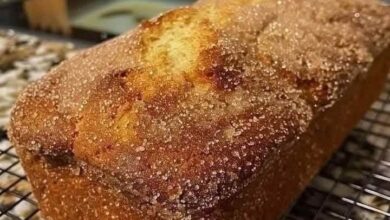
Castella is a beloved sponge cake known for its unique history and delicate, bouncy texture. Originating from a Portuguese recipe introduced to Japan in the 16th century, it has evolved into a distinctly Japanese and Taiwanese treat.
Unlike typical cakes, its signature moist, springy crumb and mild sweetness make it a perfect companion for tea or coffee.
📜 A Journey from Portugal to Japan
The story of Castella begins in the 16th century when Portuguese merchants and missionaries arrived in Nagasaki, Japan. They brought with them a simple, durable sponge bread called pão de Castela (“bread of Castile”).
Japanese artisans transformed this bread into a confection, capitalizing on Nagasaki’s access to imported sugar, then a luxury. They incorporated local ingredients like honey and mizuame (a thick starch syrup) to create a moist, sweet cake that suited the Japanese palate. Over centuries, it shifted from an elite delicacy to a beloved national snack and a symbol of prosperity often given as a gift.
Today, two main styles are celebrated:
· Japanese Castella: Denser, moist, and bouncy, traditionally made with bread flour for a slight chew.
· Taiwanese Castella: Softer, jigglier, and more soufflé-like, often made with cake flour and baked in a water bath for a custardy center.
📋 Recipe & Baking Essentials
Here is a detailed recipe for a Taiwanese Honey Castella, renowned for its fluffy, soft texture and slight honey sweetness.
Essential Equipment
· 8-inch (20cm) square cake pan (at least 2 inches/5cm deep)
· Parchment paper
· Large roasting pan for water bath
· Hand mixer or stand mixer
· Digital kitchen scale (highly recommended for accuracy)
Ingredients
· Large Eggs: 8 (separated into whites and yolks)
· Granulated Sugar: 130 g
· Cake Flour: 130 g
· Milk: 130 g
· Unsalted Butter: 130 g
· Honey: 2.5 tablespoons
· Vanilla Extract: 1 tablespoon
Step-by-Step Instructions
1. Prepare the Pan & Ingredients
· Preheat your oven to 300°F (150°C). Thoroughly line your square pan with parchment paper.
· Separate the eggs while cold (it’s easier), then let all ingredients come to room temperature for even mixing.
2. Make the Egg Yolk Batter
· Gently heat the milk and butter in a pot until the butter melts.
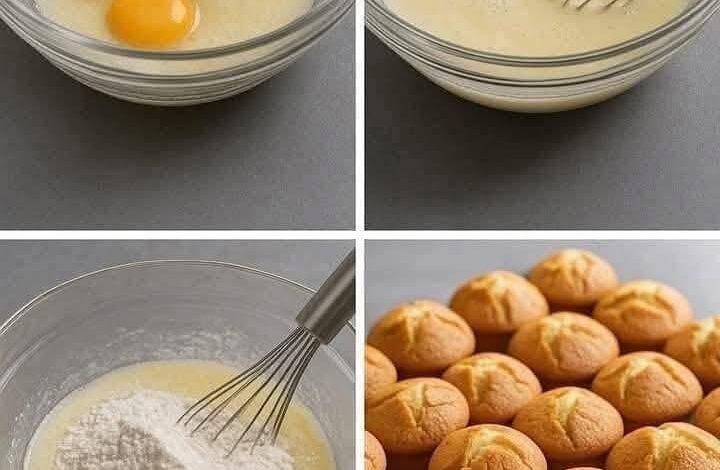
· In a large bowl, pour the warm milk-butter mixture into the cake flour, stirring gently.
· Add the egg yolks one at a time, mixing until smooth after each addition.
· Stir in the honey and vanilla extract. Set this batter aside.
3. Whip the Meringue
· Using a very clean, dry bowl, beat the egg whites with a mixer until frothy.
· Gradually add the sugar (about one-third at a time), beating until the meringue forms stiff, glossy peaks that hold their shape. This is crucial for the cake’s rise.
4. Fold & Combine
· Add two large spoonfuls of meringue to the yolk batter and fold gently to lighten it.
· Carefully pour the lightened yolk batter back into the remaining meringue. Using a spatula, fold gently until just combined and no white streaks remain. Overmixing will deflate the air bubbles.
5. Bake in a Water Bath
· Pour the final batter into the prepared pan. Tap it firmly on the counter to release large air bubbles.
· Place the cake pan inside a larger roasting pan. Pour hot water into the roasting pan until it reaches about three-quarters up the side of the cake pan.
· Bake on the middle rack for 60 minutes, or until the top is golden brown and a toothpick inserted comes out clean.
6. Cool & Rest
· Remove the cake from the oven and the water bath. Let it cool in the pan for a few minutes, then transfer it to a wire rack.
· For the best texture, wrap the slightly warm cake in plastic wrap and let it rest for several hours or overnight. This allows moisture to distribute evenly, creating the signature moist crumb.
🍽️ Serving, Storing & Nutrition
Serving & Enjoyment
Castella is traditionally served in thick slices.Its subtle sweetness makes it a perfect pairing with bitter or aromatic drinks like green tea, black tea, or coffee. For a festive touch, serve it with fresh whipped cream and berries, or a dusting of powdered sugar.
Storage Guidelines
· Room Temperature: Wrapped well, it lasts 3-4 days.
· Refrigerator: Wrapped in plastic, it keeps for 5-7 days.
· Freezer: For longer storage, wrap slices tightly and freeze for up to 1 month.
Nutritional Profile
As a celebratory food,Castella is energy-dense. A typical homemade slice contains approximately:
· Calories: 687 kcal
· Carbohydrates: 69g
· Protein: 18g
· Fat: 38g
It provides energy primarily from carbohydrates and fats. While not a significant source of vitamins, it does contain some protein from eggs and calcium from dairy ingredients.
I hope this comprehensive guide helps you bake and enjoy this wonderful cake. If you decide to try a specific variation like Matcha or Chocolate Castella, I can provide more focused tips for those flavors.