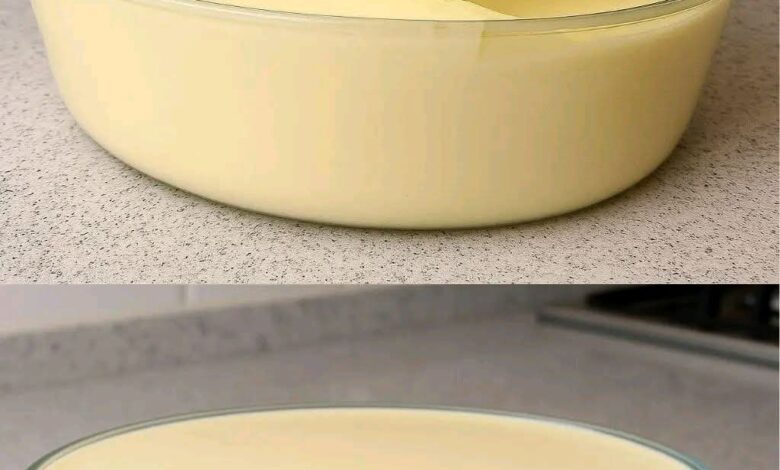
The following white chocolate mousse recipe is an eggless version that’s simple to make, adaptable, and beloved by home cooks for its creamy, elegant results.
Here are the key details for making this mousse:
🍽️ Recipe Overview
· Course: Dessert
· Prep Time: 25 minutes
· Chill Time: At least 1 hour (or overnight)
· Yield: Serves 4-6 (depending on serving size)
📝 Core Ingredients
· White Chocolate: 150g (or 1 cup chips). Use a high-quality bar with cocoa butter for best flavor.
· Heavy Cream: 360 ml (1 ½ cups), divided. Must be 35% fat or higher.
· Vanilla Extract: ½ – 1 tsp, for depth of flavor.
🧑🍳 Step-by-Step Method
· Melt Chocolate: Combine half the cream with chocolate (microwave or saucepan) until smooth. Cool to room temp.
· Whip Cream: Whip remaining cold cream to stiff peaks (be careful not to over-whip).
· Fold Together: Gently fold the cooled chocolate mixture into the whipped cream using a spatula until combined. Avoid overmixing to keep it airy.
· Chill: Portion into glasses and refrigerate for at least 1 hour (or up to 3 days) to set.
💡 Chef’s Tips
· For a fluffier texture, chill the melted chocolate/cream mixture in the fridge until very cold before whipping.
· To rescue over-whipped or grainy mousse, gently re-melt it, chill thoroughly, and whip again.
🌟 Serving Ideas and Variations
This mousse’s versatility is part of its charm. Here are popular ways to serve and adapt it.
Classic Pairings
· Fresh Berries: Raspberries or strawberries cut through the sweetness perfectly.
· Sauces & Crunch: Drizzle with a berry coulis or caramel sauce, or sprinkle with crushed cookies for texture.
Creative Twists
· Flavor Infusions: Add 1-2 tsp of liqueur (like orange or raspberry) or a pinch of spice (like cardamom) to the melted chocolate.
· Different Use: Use it as a luxurious filling for cakes, cupcakes, or layered in parfaits with fruit and cake crumbs.
❓ Why Choose This Recipe?
This particular recipe has become a favorite for several reasons, making it a modern classic in many home kitchens.
· Accessibility: The absence of eggs and gelatin makes it simpler and suitable for more dietary preferences.
· Foolproof Process: By carefully cooling the chocolate before folding, you prevent the whipped cream from deflating, ensuring a light result every time.
· Make-Ahead Friendly: It can be prepared 1-3 days in advance, making it perfect for entertaining.
📊 Nutrition Profile & Benefits
Enjoying this dessert is about mindful indulgence.
Nutritional Snapshot (Per serving, approx.)
· Calories: ~400-500 kcal
· Primary Components: Fat (~35-45g), Carbohydrates (~25-35g, mostly sugars), Protein (~5-7g).
While a rich treat, it does offer:
· A Source of Calcium from the cream and chocolate.
· Quick Energy from its carbohydrate content.
· Culinary Joy: The satisfaction of creating an elegant dessert from scratch is a genuine benefit for any home cook.
📜 A Brief History of Mousse
The concept of mousse, meaning “foam” in French, dates back centuries. Early chocolate mousse recipes appeared in French cookbooks as early as 1768, though these were often frozen or served as beverages. The mousse as we know it—a chilled, aerated dessert—gained popularity in America much later, around the late 19th century.
White chocolate itself is a 20th-century innovation, first produced commercially by Nestlé in the 1930s as a way to utilize cocoa butter. Its mousse adaptation became a hit for its milder, creamier flavor, appealing to those who find dark chocolate too intense.
🍽️ For the Dessert Lovers
For mousse enthusiasts, here’s how to appreciate it fully:
· The Ideal Texture: It should be light and airy, not dense like a pudding.
· Flavor Balance: Look for a clean, creamy white chocolate taste that isn’t overly sweet, often balanced with a pinch of salt or tart berries.
· Visual Appeal: A well-made mousse has a smooth, glossy finish and holds its shape when piped or spooned.
✅ Conclusion
This white chocolate mousse proves that impressive desserts don’t require complex techniques. Its rich history, adaptable nature, and fail-safe method make it a rewarding recipe for both novice and experienced cooks.
I hope this detailed guide inspires you to make it. What kind of occasion are you planning to make this mousse for? Knowing that could help me suggest the perfect accompaniment or presentation style.