Rustic Sourdough Bread (No Special Tools Needed!)
Introduction
No Dutch oven. No fancy scoring blades. No timers obsessively watched. Just intuition, a vintage CorningWare dish, and a little courage.
Sourdough can feel intimidating—even after hours of research and video-watching. But sometimes the best way to learn is simply to try. This rustic loaf embraces imperfection, tradition, and the wisdom of baking by sight, smell, and feel—just like Gram taught.
And then… TADA! 😄
Description
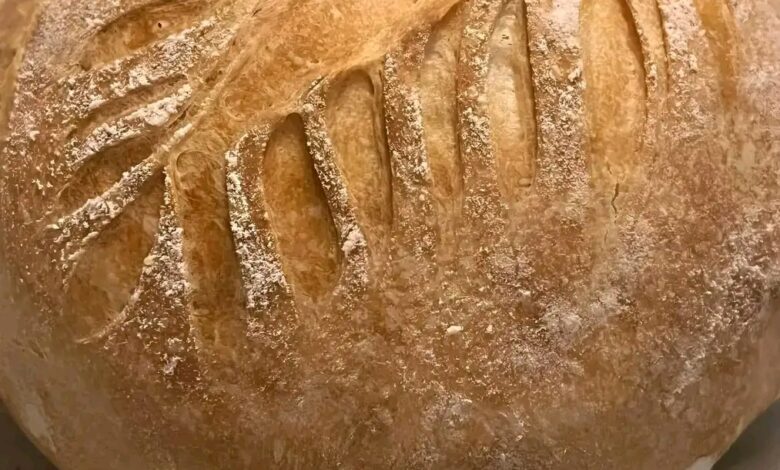
This rustic sourdough loaf features a golden, crackly crust and a soft, airy interior with that classic tangy flavor. Baked in a vintage covered dish, it steams beautifully at the start, creating a crisp crust without any specialty equipment.
It’s simple. It’s imperfect. It’s homemade. And that’s what makes it wonderful.
Origin and Cultural Significance
Sourdough bread dates back over 5,000 years to ancient Egypt, making it one of the oldest forms of leavened bread. Before commercial yeast existed, natural fermentation was the only method available.
Throughout history, sourdough has symbolized:
Resourcefulness
Patience
Tradition
Community
During the California Gold Rush, sourdough became a staple food for miners. Today, it remains beloved worldwide for its deep flavor and artisanal appeal.
More than that, sourdough represents something timeless—knowledge passed from one generation to the next. Just like learning to bake by instinct from a grandmother who never measured a thing.
Ingredients & Quantities
1 cup (240g) active sourdough starter (bubbly and fed)
1 ½ cups (360ml) warm water
3 ½ to 4 cups (420–480g) all-purpose or bread flour
1 ½ teaspoons salt
Instructions
Mix the Dough
In a large bowl, combine sourdough starter and warm water. Stir until dissolved. Add flour and salt. Mix until a shaggy dough forms.
Rest (Autolyse – Optional but Helpful)
Let the dough rest for 30 minutes before kneading. This improves texture.
Knead or Stretch & Fold
Knead by hand for about 8–10 minutes, or perform stretch-and-folds every 30 minutes for 2 hours.
Bulk Fermentation
Cover and let rise at room temperature 4–8 hours, until doubled and slightly puffy.
Shape the Dough
Gently shape into a round loaf. Let it rest while your oven preheats.
Preheat
Place your covered baking dish (like vintage CorningWare) in the oven and preheat to 425°F (220°C).
Bake Covered
Carefully transfer dough into the hot dish. Cover and bake approximately 15–20 minutes.
Bake Uncovered
Remove lid and continue baking until golden brown and hollow-sounding when tapped—about 15–25 more minutes. (Or… until it looks done 😉)
Cool Completely
Let cool at least 1 hour before slicing. The inside continues setting as it cools.
Optional Additions
1 tablespoon honey for a hint of sweetness
Fresh rosemary and sea salt
Roasted garlic cloves
Shredded sharp cheddar
Everything bagel seasoning on top
Seeds (sunflower, sesame, flax)
Tips for Success
Trust your senses. Color, aroma, and sound tell you more than a timer.
Active starter is key. It should be bubbly and pass the “float test.”
Steam matters. The covered dish creates the perfect crust environment.
Don’t rush cooling. Cutting too soon can make the crumb gummy.
Every loaf teaches you something. Even the imperfect ones.
Nutritional Information (Approximate per slice, based on 12 slices)
Calories: 150–170
Protein: 5–6g
Carbohydrates: 30–32g
Fiber: 1–2g
Fat: 0.5–1g
Sodium: ~200mg
Values vary depending on flour used.
Embracing Healthful Indulgence
Sourdough isn’t just delicious—it’s often easier to digest than conventional bread due to natural fermentation. The fermentation process:
Helps break down gluten
May support gut health
Improves nutrient absorption
Reduces phytic acid
It’s bread with character—and benefits.
Conclusion
This loaf isn’t about perfection. It’s about courage, curiosity, and honoring tradition. It’s about trusting what you see, smell, and feel—just like Gram did.
Sourdough may be a “fancy beast,” but it’s still just flour, water, and time. And sometimes that’s all you need.
Recommendation
Serve warm with:
Salted butter melting into the crumb
Homemade baked beans (in Gram’s honor 💛)
Olive oil and balsamic
Toasted with avocado
Alongside soups and stews
And most importantly—share it.
Because bread, especially sourdough, is meant to bring people together.