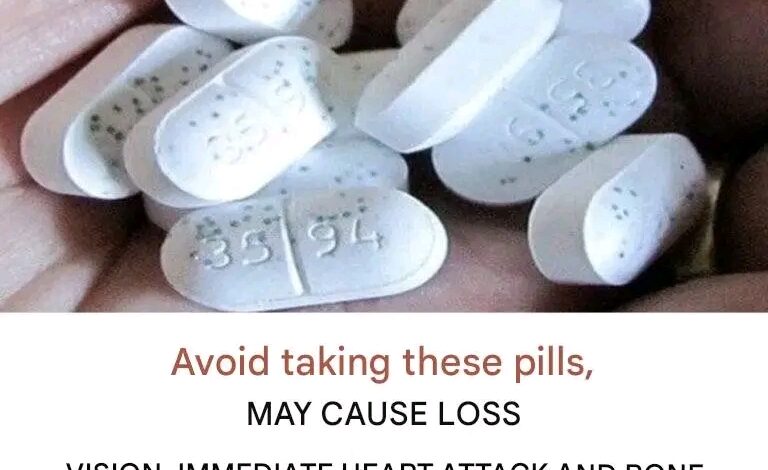
Medication Safety Awareness: Understanding8 the Risks of Certain Tablets
Introduction
Headlines that warn, “These tablets can cause blood clots, blood thrombi, and heart attacks,” can be alarming. While some medications do carry risks, it’s important to approach such warnings with balanced, evidence-based information. Not all tablets cause these complications, but certain prescription medications may increase the risk in specific individuals. Understanding how and why these risks occur empowers patients to make informed decisions with their healthcare providers.
Description
Certain medications—particularly some hormonal therapies, specific pain relievers, and particular long-term treatments—may slightly increase the risk of blood clots (also called thrombosis). Blood clots can potentially lead to serious conditions such as deep vein thrombosis (DVT), pulmonary embolism, stroke, or heart attack.
However, these risks vary significantly depending on:
The specific medication
Dosage
Duration of use
Personal health history
Age
Smoking status
Existing cardiovascular risk factors
For most people, when prescribed appropriately and monitored carefully, the benefits of medication outweigh the risks.
Common Categories of Medications That May Carry Clot Risk
(This is general information and not a substitute for medical advice.)
Certain hormonal contraceptives
Hormone replacement therapy (HRT)
Some cancer treatments
Select anti-inflammatory medications (long-term or high-dose use)
Certain medications affecting clotting pathways
How Blood Clots Form (Simplified Explanation)
Blood clotting is a natural process that prevents excessive bleeding. However, some medications may:
Increase clotting factor activity
Affect blood vessel lining function
Change blood thickness or flow
Interact with existing cardiovascular conditions
When clots form unnecessarily or block blood flow, they can become dangerous.
Risk Factors That Increase Susceptibility
You may have a higher risk if you:
Smoke
Are over age 35 (for certain medications)
Have obesity
Have high blood pressure
Have high cholesterol
Have a personal or family history of clotting disorders
Are sedentary for long periods
Have recently had surgery
Symptoms That Require Immediate Medical Attention
Seek emergency care if you experience:
Sudden chest pain
Shortness of breath
Swelling or pain in one leg
Sudden weakness or numbness (especially on one side)
Severe headache
Sudden vision changes
These may indicate a serious clot-related event.
Tips for Safe Medication Use
Always take medication exactly as prescribed.
Discuss your full medical history with your provider.
Ask about risks vs. benefits before starting new medication.
Do not stop prescribed medication abruptly without medical guidance.
Maintain regular follow-up appointments.
Adopt heart-healthy lifestyle habits alongside medication.
Nutritional & Lifestyle Support for Heart Health
While medication risks vary, you can support cardiovascular health by:
Eating a diet rich in fruits, vegetables, whole grains, and lean proteins
Staying physically active
Maintaining a healthy weight
Avoiding smoking
Managing stress
Monitoring blood pressure and cholesterol
Cultural Significance
Public awareness of medication side effects has increased dramatically in recent decades due to improved research transparency, regulatory standards, and patient advocacy. While awareness is essential, it’s equally important to avoid fear-based conclusions without medical context.
Responsible medical decision-making involves open conversations between patients and healthcare professionals—not social media headlines alone.
Conclusion
Some medications can increase the risk of blood clots or heart-related events in certain individuals. However, risk depends on many factors and should be evaluated on a case-by-case basis. The presence of risk does not automatically mean a medication is unsafe—it means it requires proper medical guidance and monitoring.
Recommendation
If you are concerned about a specific tablet or medication, speak directly with your doctor or pharmacist. They can explain:
Your personal risk level
Alternative treatment options
Warning signs to monitor
Whether lifestyle changes could reduce risk
Never discontinue prescribed medication without professional advice.
Embracing Healthful Decision-Making
True health empowerment comes from informed, balanced understanding—not fear. When used responsibly under medical supervision, many medications improve and even save lives. Pairing medical treatment with heart-healthy lifestyle habits offers the strongest protection for long-term well-being.
If you’d like information about a specific medication, feel free to share its name, and I can provide general educational guidance.