Old-Fashioned Vanilla Baked Custard: A Timeless Recipe for Comfort and Nostalgia

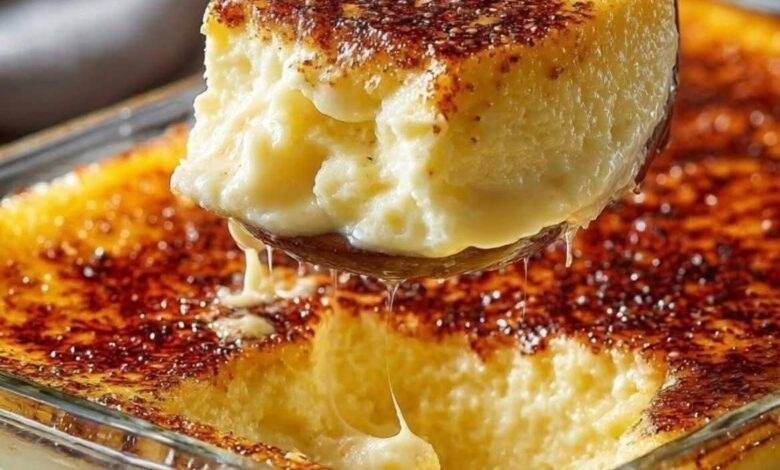
Old-Fashioned Vanilla Baked Custard: A Timeless Recipe for Comfort and Nostalgia
Introduction
There are some desserts that transcend generations, evoking memories of grandmother’s kitchen and simpler times. Old-Fashioned Vanilla Baked Custard is precisely such a creation—humble in its ingredients yet extraordinary in its ability to comfort and satisfy . This classic dessert transforms basic pantry staples—eggs, milk, sugar, and vanilla—into something magical: a silky, creamy custard with a delicate top dusted with aromatic nutmeg .
What makes baked custard so special is its gentle nature. Unlike flashy modern desserts that demand attention, custard whispers. It speaks of patience, of low-and-slow baking, of the wisdom of the water bath. The name itself evokes warmth, nostalgia, and pure, unadulterated deliciousness . Whether served warm on a chilly evening or chilled on a warm afternoon, this kindly old dessert continues to nourish and comfort, just as it has for centuries .
In this comprehensive guide, we’ll explore every facet of this beloved dessert—from selecting the perfect ingredients to mastering the techniques that ensure success, from its fascinating history to its surprising nutritional benefits. Let’s embark on this culinary journey together.
Ingredients
For the perfect old-fashioned vanilla baked custard, quality ingredients make all the difference. Here is everything you’ll need:
Ingredient Amount Notes
Whole milk 3 cups Provides richness and proper texture
Large eggs 4 Room temperature works best
Granulated sugar ¾ cup Creates sweetness and smooth texture
Pure vanilla extract 1 tablespoon Use pure, not imitation, for best flavor
Salt ½ teaspoon Enhances all flavors
Ground nutmeg For topping Freshly grated is ideal
Butter For greasing Softened, for preparing ramekins
Ingredient Insights
For the custard base:
· Whole milk is essential—its fat content contributes to the creamy texture. Lower-fat milks will produce a less satisfying result
· Eggs provide structure and richness. Some recipes use additional egg yolks for extra creaminess
For flavoring:
· Vanilla bean can be substituted for extract for a more intense, complex flavor. Split one bean lengthwise and scrape the seeds into the milk while heating
· Fresh nutmeg freshly grated over the top before baking adds an aromatic warmth that pre-ground nutmeg cannot match
Optional additions:
· Sweetened condensed milk (14 ounces) can replace some ingredients for a different texture
· Heavy cream (2 cups) combined with whole milk (1 cup) creates an extra-luxurious version
Instructions
Preparation Phase
1. Preheat your oven to 325°F (165°C). This low temperature is crucial for gentle cooking
2. Prepare the ramekins: Lightly butter six 6-ounce ramekins or custard cups. Place them in a deep baking dish large enough to hold them with space between
3. Heat water for the water bath. You’ll need enough hot water to fill the baking dish halfway up the sides of the ramekins
Mixing the Custard
1. Whisk the eggs in a medium bowl until smooth but not foamy. Add the sugar, salt, and vanilla, whisking gently just until combined
Gentle whisking is important—too much air creates bubbles that can mar the smooth surface of your custard
2. Warm the milk in a saucepan until hot to the touch but not boiling. You want it steaming gently, with small bubbles forming around the edges
3. Temper the eggs: Slowly pour the warm milk into the egg mixture in a thin, steady stream while whisking constantly. This gradual warming prevents the eggs from scrambling
Baking Process
1. Fill the ramekins: Pour the custard mixture evenly into the prepared ramekins. Sprinkle the tops lightly with ground nutmeg
2. Create the water bath: Place the baking dish on the oven rack, then carefully pour hot water into the dish until it reaches halfway up the sides of the ramekins
3. Bake for 40-45 minutes. The custard is done when the edges are set but the center still has a gentle jiggle when you gently shake the ramekin—like Jell-O, not liquid
4. Cool properly: Remove the ramekins from the water bath immediately to stop the cooking process. Let them cool on a wire rack for about 20 minutes
Serving Options
· Serve warm for a softer, more comforting texture
· Refrigerate for several hours for a firmer, chilled dessert
· Storage: Cover and refrigerate for up to 2-3 days
Methods: The Science of Perfect Custard
Understanding the methods behind successful custard-making transforms a good recipe into a great one. Let’s explore the techniques that ensure consistent results.
The Water Bath (Bain-Marie)
The water bath is perhaps the most critical technique in custard making. Here’s why it works:
Temperature moderation: Water surrounds the ramekins with gentle, even heat. Since water conducts heat more efficiently than air, it prevents the edges from overcooking before the center sets
Protection from direct heat: The water acts as a buffer, shielding the delicate egg proteins from the oven’s harsh, direct heat
How to do it properly:
· Use a baking dish with sides at least 2 inches high
· Pour hot (not boiling) water into the dish after it’s on the oven rack to avoid sloshing
· The water should reach halfway up the sides of the ramekins—this is non-negotiable
Tempering Eggs
Tempering is the technique of gradually raising the temperature of eggs to prevent scrambling:
The risk: Pouring hot liquid directly into eggs cooks them instantly, creating lumps
The solution: By adding the hot milk slowly while whisking constantly, you gradually warm the eggs, allowing them to incorporate smoothly into the liquid
The Jiggle Test
Knowing when custard is done requires understanding the “jiggle test”:
Visual cues: The edges should be fully set while the center still wobbles slightly when the ramekin is gently shaken
Why it matters: Custard continues to cook from residual heat after removal. If it’s fully set in the oven, it will be overcooked by the time it cools
Straining for Smoothness
Professional bakers always strain custard:
What it does: Removes any small bits of coagulated egg or impurities
How to do it: Pour the finished custard mixture through a fine-mesh sieve into a clean bowl before filling ramekins
History: A Journey Through Time
Ancient Origins
Custard’s history stretches back much further than most people realize. The basic combination of heated milk and eggs has been part of European cuisine since ancient Roman times . These early versions were likely simple preparations, lacking the refinement we know today but establishing the fundamental concept.
Medieval Development
The Middle Ages marked a pivotal period for custard. The dish appears in 14th-century cookbooks with recipes like “Crustardes of flessh”—which, despite its somewhat alarming name, simply indicates custard’s versatility in both sweet and savory applications .
The very word “custard” derives from the French word “croustade,” referring to a pastry crust. This etymology reveals that custard was commonly baked in tart shells during this period .
Rise of Set Custards
By the 17th century, advancements in oven technology allowed for more precise baking. Set custards—those baked in dishes without pastry—grew in popularity. This period saw the invention of classic custard-based desserts like crème brûlée .
Custard in America
The Fanny Farmer Cookbook, first published in 1896 and revised through the 20th century, helped standardize baked custard recipes for American home cooks. The 1980 edition describes it perfectly: “This kindly old dessert still nourishes and comforts. Traditionally served in familiar brown custard cups…”
This description captures why custard has endured—not as a fashionable trend, but as a reliable source of comfort through generations.
Benefits: More Than Just Dessert
Nutritional Value
Old-fashioned baked custard offers surprising nutritional benefits:
High-quality protein: Eggs provide complete protein with all essential amino acids. A serving contains approximately 7-13 grams of protein
Calcium-rich: Made with milk, custard contributes significantly to daily calcium needs, supporting bone health
Essential nutrients: Eggs provide vitamins A, D, E, and B-complex, along with minerals like iron and phosphorus
Versatility as Food
For all ages: Custard’s soft texture makes it ideal for:
· Young children learning to eat solid foods
· Elderly individuals with chewing difficulties
· Those recovering from illness
Meal flexibility: While typically a dessert, custard can serve as:
· A nourishing breakfast when paired with fruit
· A satisfying snack
· A light lunch option
Emotional Well-being
The benefits extend beyond physical nutrition:
Comfort food: The warm, creamy texture and familiar flavor provide psychological comfort
Nostalgic connection: For many, custard evokes cherished memories of family and childhood
Mindfulness: The slow, gentle process of making custard encourages patience and presence—a form of culinary meditation
Formation: The Chemistry of Custard
Understanding what happens at a molecular level helps explain why following the recipe matters.
Protein Coagulation
Eggs contain proteins that unfold when heated (denature) and then bond together (coagulate). This process transforms liquid custard into a delicate gel:
The ideal temperature: Egg proteins coagulate between 160-180°F (71-82°C). Above this range, they contract too much, squeezing out water and creating a grainy, curdled texture
Milk’s role: Milk proteins and fat interfere with egg protein bonding, creating a more tender, smooth structure
The Role of Sugar
Sugar does more than sweeten:
Interferes with coagulation: Sugar molecules delay protein bonding, allowing custard to set at a higher temperature with a softer texture
Water absorption: Sugar holds water, contributing to the moist, creamy mouthfeel
Starch (When Used)
Some custard recipes include starch as a stabilizer:
How it works: Starch granules absorb water and swell, creating additional structure and preventing the egg proteins from over-coagulating
Cornstarch vs. flour: Cornstarch creates a clearer, more translucent gel; flour produces a more opaque, pudding-like texture
The Vanilla Infusion
When using a vanilla bean, the process involves:
Extraction: Heating releases vanilla’s flavor compounds (primarily vanillin) from the bean
Even distribution: Scraping the tiny seeds ensures flavor throughout, while the pod continues infusing during steeping
Nutrition Information
Understanding the nutritional profile helps incorporate custard into a balanced diet.
Standard Serving Nutrition
Based on a traditional recipe serving 6 people :
Nutrient Amount per Serving % Daily Value*
Calories 166-229 8-11%
Total Fat 5-17g 7-23%
Saturated Fat 3-8g 15-41%
Cholesterol 124-434mg 41-134%
Sodium 168-211mg 6-11%
Carbohydrates 5-25g 2-9%
Protein 6-13g 11-19%
Calcium 145mg 11%
*Percent Daily Values vary based on calorie needs and specific recipes
Factors Affecting Nutrition
Egg variation: Using more eggs or additional yolks increases protein, fat, and cholesterol
Milk selection: Whole milk provides more fat and creaminess; low-fat milk reduces calories but affects texture
Sweetener choice: Sugar amount can be adjusted; alternatives like Splenda work for sugar-restricted diets
Glycemic Considerations
The glycemic index of custard is approximately 62 (moderate), with a glycemic load of 15 (moderate) . This means it affects blood sugar less dramatically than many desserts, especially when served with protein or fat.
Dietary Adaptations
Lower fat: Use 2% milk and reduce egg yolks
Lower sugar: Reduce to ½ cup sugar or use sugar substitutes
Higher protein: Increase eggs or add egg whites
Why Custard Lovers Adore This Dessert
For the Texture Enthusiast
There’s something almost magical about the way baked custard feels on the tongue. It’s simultaneously rich and light, substantial yet delicate. The silky smoothness that results from proper technique rewards those who appreciate textural perfection. When a spoonful of perfectly baked custard melts away, leaving only vanilla warmth and a memory of creaminess—that’s pure pleasure.
For the Nostalgist
“My mother often made old-fashioned baked custard in the fall and winter. It still brings back fond memories. On a rainy day, the smell of custard baking is absolute Heaven!”
This sentiment echoes across generations. Custard lovers often connect the dessert to specific memories—a grandmother’s kitchen, childhood sick days when only custard would do, holiday gatherings where this simple dessert sat alongside elaborate confections. The taste transports them back.
For the Minimalist
In an age of over-the-top desserts with lengthy ingredient lists and complicated techniques, custard appeals to those who believe that simplicity reveals true quality. With just four main ingredients, there’s nowhere to hide. The purity of the flavors, the honesty of the preparation—these speak to lovers of culinary authenticity.
For the Experimental Cook
Custard provides a perfect canvas for creativity:
Flavor variations: Citrus zest, espresso powder, almond extract, or coconut milk transform the basic recipe
Textural additions: Toasted coconut stirred in before baking adds interest
Presentation twists: Layering caramel in the bottom creates crème caramel; baking in a larger dish changes the experience entirely
For Health-Conscious Dessert Lovers
Those who seek desserts with nutritional value appreciate custard’s protein content and calcium. It satisfies sweet cravings while providing genuine nourishment—a rare combination in the dessert world.
Serving Suggestions and Variations
Classic Presentations
Warm and simple: Serve directly from the ramekin, perhaps with a light dusting of additional nutmeg
Chilled and unmolded: Run a knife around the edge, invert onto a plate, and watch the custard release in a perfect dome
With fresh berries: The bright acidity of raspberries or blueberries cuts the richness beautifully
With whipped cream: A dollop of lightly sweetened whipped cream adds luxurious contrast
Creative Variations
Citrus custard: Add lemon or orange zest to the milk while heating for a bright, fresh twist
Coconut custard: Replace 1 cup of milk with coconut milk and toast coconut for garnish
Coffee custard: Add 1-2 tablespoons instant coffee granules to the warm milk
Chocolate custard: Whisk 2-3 tablespoons unsweetened cocoa powder into the egg mixture
Caramel custard: Drizzle homemade caramel in the bottom of ramekins before adding custard
Pairing Suggestions
Beverages: Custard pairs wonderfully with coffee, tea, or dessert wine
Cookies: A crisp butter cookie or biscotti provides textural contrast
Fruit compotes: Warm berry or stone fruit compotes elevate the simple custard to company-worthy status
Conclusion
Old-Fashioned Vanilla Baked Custard stands as a testament to the enduring power of simple, honest cooking. In a world of culinary complexity, this humble dessert reminds us that true greatness often lies in simplicity. With just four main ingredients—eggs, milk, sugar, and vanilla—and careful attention to technique, anyone can create something truly extraordinary.
The process itself offers lessons that extend beyond the kitchen. The patience required for tempering eggs, the gentleness of the water bath, the wisdom of knowing when to remove custard from the oven—these mirror life’s larger truths about gradual progress, protection during vulnerable moments, and recognizing when something is complete even if it appears unfinished.
For those who make it, custard becomes a connection to culinary traditions stretching back to ancient Rome and medieval Europe. For those who eat it, custard provides comfort, nourishment, and often, cherished memories .
Whether you’re an experienced baker or trying custard for the first time, this recipe welcomes you. It asks only that you slow down, pay attention, and trust the process. In return, it offers something rare: a dessert that feeds both body and soul.
As the Fanny Farmer Cookbook wisely noted, this kindly old dessert still nourishes and comforts . May it do the same for you and those you love.
Enjoy your custard journey—from your first careful tempering to that perfect, jiggly moment when you know it’s done. And remember, whether served warm on a cool evening or chilled on a summer afternoon, this timeless dessert never fails to deliver a taste of pure, simple happiness.