No-Knead Everyday Bread
Introduction 🍞
Making homemade bread doesn’t have to be complicated or expensive. This incredibly simple no-knead bread recipe proves that you can create soft, delicious bread at home with only a few basic pantry ingredients. With no eggs, no butter, and no kneading required, it’s perfect for beginners or anyone looking for a quick, budget-friendly alternative to store-bought bread. Once you try it, you may find yourself skipping the bakery aisle entirely.
Description
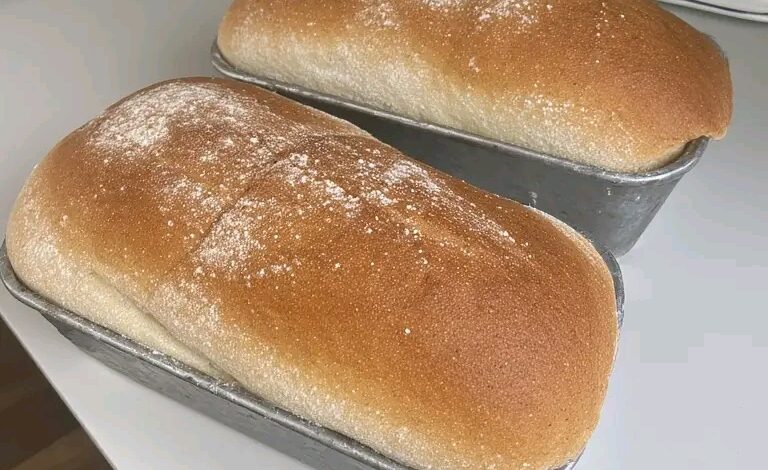
This easy homemade bread has a soft interior with a light, airy texture and a lightly crisp crust. The dough comes together in minutes and rises naturally, allowing the yeast to do all the work. The result is a versatile loaf that pairs beautifully with soups, spreads, sandwiches, or simply a drizzle of olive oil.
Ingredients & Quantity
3 cups all-purpose flour (about 360 g)
1 teaspoon salt
1 teaspoon sugar (optional but helps activate yeast)
1 teaspoon instant dry yeast
1 ¼ cups warm water (about 300 ml)
1 tablespoon olive oil (optional for softer texture)
Instructions
Mix the Dry Ingredients
In a large bowl, combine the flour, salt, sugar, and yeast.
Add Water
Pour in the warm water and mix with a spoon until a sticky dough forms. No kneading is necessary.
First Rise
Cover the bowl with a clean cloth or plastic wrap and let the dough rise in a warm place for 1–2 hours, or until it roughly doubles in size.
Shape the Dough
Lightly flour your hands and gently shape the dough into a loaf or round ball.
Second Rest
Place the dough on a parchment-lined baking tray or into a lightly greased loaf pan. Let it rest for 20–30 minutes.
Preheat the Oven
Preheat your oven to 375°F (190°C).
Bake
Bake the bread for 25–30 minutes, or until the top turns golden brown and the loaf sounds hollow when tapped.
Cool Before Slicing
Allow the bread to cool on a rack for about 10–15 minutes before cutting.
Origin and Cultural Significance
No-knead bread became widely popular among home bakers because it simplifies traditional bread-making techniques that normally require extensive kneading and specialized skills. The concept reflects a long tradition of simple rustic breads made in homes around the world, where basic ingredients like flour, water, salt, and yeast have been used for centuries to create nourishing staple foods.
Optional Additions
You can customize this bread with extra flavors:
Garlic powder or dried herbs (rosemary, oregano, thyme)
Sesame or sunflower seeds sprinkled on top
Whole wheat flour for a healthier variation
Olives or chopped dried tomatoes for a Mediterranean twist
Grated cheese mixed into the dough
Tips for Success
Use warm water, not hot, to avoid killing the yeast.
If the dough feels too sticky, add a small sprinkle of flour, but avoid adding too much.
Let the bread cool fully before slicing to keep the crumb soft.
For a crispier crust, place a small pan of water in the oven while baking.
Nutritional Information (Approximate per slice – based on 10 slices)
Calories: ~120
Carbohydrates: ~23 g
Protein: ~3 g
Fat: ~1 g
Fiber: ~1 g
Sodium: ~200 mg
Values may vary depending on ingredient brands and additions.
Embracing Healthful Indulgence 🌾
Homemade bread can be part of a balanced lifestyle. Because you control the ingredients, you can reduce additives and experiment with whole grains, seeds, and natural flavors. Enjoying freshly baked bread with healthy toppings like avocado, olive oil, or hummus can turn a simple loaf into a nourishing meal.
Conclusion
This no-knead bread recipe is proof that homemade baking can be simple, affordable, and deeply satisfying. With just a few pantry ingredients and minimal effort, you can create a warm loaf that rivals store-bought bread.