Here is a comprehensive guide to Zero Carb Fluffy Bread, structured as a “big recipe” feature that explores every aspect of this popular low-carb alternative.
The Big, Fluffy, Zero Carb Bread Recipe: A Complete Guide
Introduction
For many, the aroma of freshly baked bread is the very essence of comfort. Yet, for those navigating a low-carbohydrate, ketogenic, or gluten-free lifestyle, traditional bread is often the first thing to go. The search for a substitute that is soft, satisfying, and doesn’t taste like cardboard can feel endless. Enter Zero Carb Fluffy Bread—a revolutionary category of baked goods that promises the texture and experience of real bread without the carbs. This isn’t just one recipe, but a family of ingenious creations, from the ethereal “cloud bread” to hearty seed loaves and protein-packed yogurt breads . This guide will take you through everything you need to know to create these loaves in your own kitchen, exploring their history, the science behind their fluffiness, and the many ways to enjoy them.
The History: From Atkins Diet to TikTok Trend
While Zero Carb Bread feels like a modern invention, its roots go back several decades. The original concept of a high-protein, low-carb bread alternative can be traced to the Atkins diet craze of the 1970s. Dr. Robert Atkins’ 1972 recipe book featured “Atkins Diet Revolution Rolls,” a simple blend of eggs and cottage cheese designed to give dieters a bread-like vehicle for their sandwiches . These rolls resurfaced over the years under different names, most notably as “Oopsie Rolls,” a staple in the early online low-carb community .
The real explosion in popularity, however, came with the rise of social media. Around 2014-2015, food bloggers and wellness influencers on Pinterest and Instagram began sharing visually stunning versions of a fluffy, meringue-like bread . This was the birth of “Cloud Bread.” The trend reached a fever pitch in 2020 when a TikTok video re-introduced the recipe to the world, garnering millions of views and cementing cloud bread’s place in the modern keto canon . Today, the concept has evolved far beyond its simple origins, with sophisticated recipes using almond flour, psyllium husk, and even protein isolates to mimic the texture of wheat bread more closely than ever before . This innovation has even caught the attention of the food industry, with startups like Hero Bread creating low-carb flour alternatives and partnering with major chains like Subway .
Featured Recipe: The Ultimate Fluffy Zero Carb Yogurt Bread
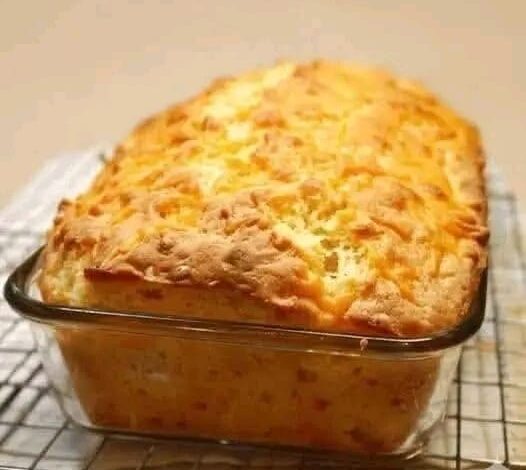
This recipe combines the best elements of several popular versions to create a loaf that is moist, tender, and perfect for everything from toast to sandwiches .
Ingredients
This recipe relies on simple, low-carb ingredients that work together to create structure and fluffiness.
For the Bread:
· 1 cup full-fat Greek yogurt (plain, unsweetened). The thickness and fat content are crucial for moisture .
· 4 large eggs, separated. The whites provide lift, the yolks add richness .
· 1 cup finely ground almond flour. This is the primary low-carb flour base .
· 4 tbsp melted butter (or olive oil). Adds richness and a tender crumb .
· 2 tsp baking powder. Essential for lift .
· ½ tsp salt .
· ¼ tsp cream of tartar (or ½ tsp lemon juice). Stabilizes the egg whites .
Optional Add-ins for Structure and Flavor :
· 1 tbsp psyllium husk powder. This is a game-changer for texture. It helps bind the dough, mimics the elasticity of gluten, and makes the bread much more sliceable and bread-like.
· 1 tbsp chia seeds or flaxseed meal. Adds fiber and a subtle nutty flavor.
· Everything bagel seasoning, dried herbs, or garlic powder for a savory twist.
Instructions (Methods)
Following these steps carefully will ensure your bread turns out light and fluffy, not dense or eggy.
1. Preparation: Preheat your oven to 350°F (175°C). Grease a standard loaf pan thoroughly with butter or nonstick spray, or line it with parchment paper for easy removal .
2. Separate and Whip: Carefully separate the eggs, placing the whites in a large, perfectly clean, dry mixing bowl and the yolks in a separate bowl. Add the cream of tartar to the egg whites. Using a hand mixer or stand mixer, beat the egg whites starting on low and increasing to high speed until stiff, glossy peaks form. This process incorporates air, which is the key to the bread’s fluffiness .
3. Mix the Batter: To the bowl with the egg yolks, add the Greek yogurt, melted butter, almond flour, baking powder, salt, and psyllium husk powder (if using). Whisk until the mixture is fully combined and smooth .
4. The Crucial Fold: This step requires a gentle hand. Add about one-third of the whipped egg whites to the yolk mixture and stir gently to lighten the batter. Then, pour this lighter mixture back into the bowl with the remaining egg whites. Using a rubber spatula, carefully fold the mixtures together. Use a slow, deliberate cutting and folding motion, turning the bowl as you go, until no white streaks remain. Do not stir or overmix, as this will deflate the air you worked so hard to create .
5. Bake: Pour the final batter into your prepared loaf pan and gently smooth the top. Bake for 30-40 minutes, or until the top is golden brown and a toothpick inserted into the center comes out clean. If the top is browning too quickly, you can loosely cover it with foil .
6. Cool Completely: This is a non-negotiable step. Let the bread cool in the pan for 10-15 minutes. Then, carefully transfer it to a wire rack and let it cool completely before you even think about slicing. Slicing it warm will almost certainly cause it to crumble, as the structure is still setting .
Nutrition
This recipe is not just about being low-carb; it’s also packed with protein and healthy fats. The exact values will depend on your specific ingredients and slice size. Based on the provided recipe (with almond flour and butter), a single slice (1/12th of the loaf) contains approximately :
· Calories: 109 kcal
· Fat: 8g
· Carbohydrates: 3g
· Fiber: 1g
· Net Carbs: 2g
· Protein: 6g
This profile makes it ideal for maintaining ketosis, managing blood sugar, and promoting satiety .
Key Methods for Success: The Science of Fluffiness
Achieving the perfect texture in zero-carb bread relies on a few key techniques that differ from traditional baking.
· The Power of Egg Whites: The primary leavening agent here isn’t yeast, but air. By whipping egg whites to stiff peaks, you create a network of tiny air bubbles. When baked, these bubbles expand, giving the bread its lift and cloud-like texture. The cream of tartar or lemon juice acts as a stabilizer, helping the protein structure hold onto that air .
· The Gentle Fold: Once that air is incorporated, you must treat the batter with care. Folding is a gentle technique used to combine mixtures without deflating the whipped egg whites. It preserves the volume and ensures the final bread is light .
· Structure Builders: Unlike wheat flour, almond flour and yogurt don’t contain gluten, the protein that gives traditional bread its chewy structure. This is where ingredients like psyllium husk powder and xanthan gum shine. They are binders and thickeners that create a network to trap gases and provide a more bread-like, sliceable crumb, preventing the loaf from being too fragile or crumbly .
· Low and Slow (for Cloud Bread): Some variations, like classic cloud bread, are baked at a lower temperature (300°F/150°C). This gentle heat dries out the meringue-like mixture without excessive browning, allowing it to set properly before it can collapse .
The Benefits: More Than Just Low-Carb
Choosing a zero-carb bread offers several advantages beyond its macronutrient profile.
· Blood Sugar Management: By virtually eliminating carbohydrates, this bread has a negligible impact on blood glucose and insulin levels, making it an excellent choice for individuals with type 2 diabetes or insulin resistance .
· Supports Ketosis: For those on a ketogenic diet, every gram of carbohydrate counts. This bread allows you to enjoy sandwiches and toast without jeopardizing your state of ketosis .
· High in Protein and Fiber: Unlike white bread, which is nutritionally empty, zero-carb breads are often rich in protein (from eggs and yogurt) and fiber (from almond flour, psyllium, and seeds). This combination promotes feelings of fullness (satiety), aids digestion, and supports muscle maintenance .
· Gluten-Free and Grain-Free: As it contains no wheat, rye, or barley, this bread is naturally gluten-free, making it safe for people with celiac disease or non-celiac gluten sensitivity .
Who Loves Zero Carb Bread?
The appeal of this bread extends to a wide variety of people.
· The Keto and Low-Carb Devotee: This is the primary audience. For them, this bread is a lifesaver, turning a restrictive diet into a sustainable lifestyle .
· The Gluten-Free Eater: Anyone who must avoid gluten will appreciate a homemade bread option that doesn’t rely on gritty, store-bought alternatives .
· The Health-Conscious Baker: People simply looking to increase their protein intake, reduce refined carbs, or experiment with new baking techniques are drawn to these recipes .
· The Foodie and Trend-Follower: Cloud bread, in particular, became a sensation for its photogenic appearance and the sheer joy of creating something that looks like magic .
· Commercial Innovators: Companies like Hero Bread and ThinSlim Foods have built entire product lines around the demand for zero-net-carb bread, proving its commercial viability and widespread appeal .
Formation: The Evolution of a Recipe
The “formation” of the modern zero-carb bread recipe is a story of collaborative innovation. It began with the simple idea of using eggs as a base, as seen in the Atkins rolls. From there, the low-carb community experimented. The next major leap was the addition of cream cheese to create a more stable and flavorful batter, which became the standard for cloud bread . As almond and coconut flour became more widely available, bakers started incorporating them to create a texture closer to traditional bread, moving away from the purely meringue-like consistency . The final piece of the puzzle was the introduction of binders like psyllium husk and xanthan gum. These ingredients, borrowed from gluten-free baking, solved the problem of crumbliness, resulting in the hearty, sliceable loaves we see today . This evolution is a testament to the power of community-driven recipe development.
Conclusion
Zero Carb Fluffy Bread is far more than a fleeting trend. It is a remarkable culinary adaptation that meets a genuine need, proving that dietary restrictions don’t have to mean sacrificing the simple pleasures of life. From its humble beginnings in a 1970s diet book to its current status as a social media star and commercially viable product, its journey reflects our ongoing quest for healthier, more inclusive foods. Whether you make the featured yogurt bread, try your hand at classic cloud bread, or experiment with a carnivore version, you are participating in a delicious piece of food history . So, preheat your oven, whip those egg whites to perfection, and get ready to enjoy a slice of guilt-free comfort. Your sandwiches, toast, and taste buds will thank you.
A Note for the Bread Lovers
To all the bread lovers who thought they had to say goodbye: this one’s for you. This bread is for the person who misses the satisfying chew of a sandwich at lunch, the warm comfort of toast with butter in the morning, and the simple act of sopping up the last bit of sauce with a piece of crusty bread. It’s a testament that a dietary change is not an ending, but a new beginning filled with creativity and delicious discoveries. Enjoy every single bite .