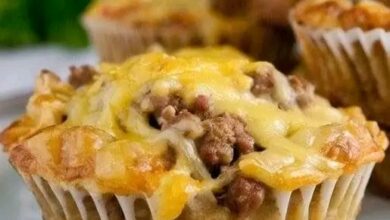
Here is a comprehensive guide to Baked Creamy Macaroni and Cheese, with a special adaptation to create individual “rounds,” covering its history, methods, nutrition, and cultural significance.
📜 A Rich History: From Medieval England to a Modern Classic
Macaroni and cheese, often seen as an American comfort food staple, has origins that trace back centuries and continents.
· European Origins: The concept of pasta baked with cheese dates to at least medieval England. A recipe from the 1390s describes pasta sheets with cheese and spices. The first recognizably modern recipe appeared in Elizabeth Raffald’s 1769 cookbook, featuring macaroni with a cream sauce and Parmesan cheese.
· Arrival in America: The dish was brought to North America by British settlers. A pivotal figure in its American popularization was James Hemings, an enslaved Black chef trained in France who worked for Thomas Jefferson. Hemings likely learned the dish in Paris and served his “macaroni pie” to dignitaries, influencing early American cuisine. The first American recipe appeared in Mary Randolph’s 1824 cookbook, “The Virginia House-Wife”.
· 20th-Century Staple: The dish became a mainstream American favorite during the Great Depression when the Kraft company introduced its boxed “Kraft Dinner” in 1937 as an affordable, quick meal for families.
🧀 The Ultimate Recipe: Creamy Baked Macaroni and Cheese Rounds
This recipe transforms the classic casserole into elegant, individual portions. The method uses a roux-based cheese sauce for maximum creaminess.
Chef’s Tip for Perfect Rounds: For the best texture and melt, always shred your own cheese from a block. Pre-shredded cheese contains anti-caking agents that can make your sauce grainy.
Ingredients
· Pasta: 1 lb (454g) dried elbow macaroni or cavatappi
· Dairy Base: 1/2 cup (114g) unsalted butter, 1 1/2 cups whole milk, 2 1/2 cups half-and-half
· Cheese (for sauce): 3 cups total, shredded. Use a blend like sharp cheddar and Gruyère.
· Cheese (for layering/topping): 3 cups total, shredded.
· Seasonings: 1/2 tbsp salt, 1/2 tsp black pepper, 1/4 tsp paprika (smoked paprika is excellent), plus optional garlic powder or mustard powder.
Equipment
· Standard: Large pot, saucepan, whisk, baking dish.
· For Rounds: A standard 12-cup muffin tin.
Instructions
1. Cook the Pasta:Boil pasta in salted water for 1-2 minutes less than the package directs for al dente. It will cook further in the oven. Drain and set aside.
2. Make the Roux:In a saucepan, melt butter over medium heat. Whisk in 1/2 cup of flour and cook for 1 minute until it looks like wet sand.
3. Create the Béchamel:Slowly whisk in the half-and-half and milk until smooth. Cook, whisking often, until the sauce thickens to a heavy soup consistency.
4. Make the Cheese Sauce:Remove sauce from heat. Stir in seasonings, then add the 3 cups of shredded cheese for the sauce, stirring until fully melted and smooth.
5. Combine:In a large bowl, mix the cheese sauce with the drained pasta until evenly coated.
6. Form the Rounds:Generously grease a muffin tin. For each cup:
* Place a small mound of the saucy pasta.
* Sprinkle with a layer of shredded cheese.
* Add another mound of pasta,pressing down gently.
* Top with a final layer of shredded cheese.
7. Bake:Bake at 325°F (163°C) for 15-20 minutes, until the cheese topping is bubbly and lightly golden. Let cool in the tin for 5-10 minutes before carefully removing with a spoon.
🔬 Nutritional Profile & Healthier Twists
Traditional baked mac and cheese is a rich, indulgent dish. A standard homemade serving can contain significant calories, fat, and sodium.
Typical Nutrition (per serving)
· Calories: 300-500
· Fat: 24-31g
· Saturated Fat: High contributor to the fat content.
· Protein: 9-20g
· Carbohydrates: 33-53g
· Sodium: 600-1200mg
· Calcium: Excellent source, providing 15-64% of the Daily Value.
Making It Healthier
You can modify the recipe for a more nutritious profile:
· Boost Protein & Fiber: Use chickpea or lentil pasta.
· Add Vegetables: Mix in steamed broccoli, cauliflower, or sautéed mushrooms.
· Adjust Dairy: Use reduced-fat cheeses or milk, or incorporate pureed vegetables like butternut squash into the sauce for creaminess.
· Control Portions: Making “rounds” in a muffin tin inherently helps with portion control.
🍳 Methods & Techniques: The Science of Creaminess
The search for the perfect creamy bake has led to several trusted methods. Here’s a comparison of two popular techniques:
Roux-Based Method
· Core Principle: A mixture of equal parts fat (butter) and flour is cooked, then milk is added to create a béchamel sauce. Cheese is stirred into this base.
· Result: Reliably creamy and smooth sauce that coats the pasta. It’s a classic French technique that prevents the cheese from separating.
· Best For: Those who prioritize a velvety, custard-like texture.
Egg-Custard Method (Southern-Style)
· Core Principle: A mixture of eggs and milk (or evaporated milk) is poured over the pasta and cheese. The eggs set during baking, binding the dish.
· Result: A firmer, more cohesive slice. It can be less creamy than a roux-based version and risks a grainy texture if the eggs curdle.
· Best For: A denser, more structured mac and cheese that holds its shape well.
Expert Tips for Success
· Grate Your Own Cheese: This is the single most important tip for a smooth sauce.
· Undercook the Pasta: Prevent mushiness by boiling pasta until just al dente.
· Season in Layers: Salt the pasta water, season the sauce, and taste before baking.
· Rest Before Serving: Let it sit for 5-10 minutes after baking; this allows the sauce to thicken for perfect serving consistency.
❤️ A Dish for Lovers: Cultural Impact & Popularity
Macaroni and cheese is more than a meal; it’s a cultural icon tied to comfort, family, and nostalgia.
· A National Favorite: It’s one of the most popular dishes in the United States and Canada, where Kraft Dinner is considered by some a “national dish”.
· Versatile Comfort Food: It’s the star of holiday tables, summer barbecues, and weeknight dinners, equally beloved by children and adults.
· A Canvas for Creativity: Home cooks and chefs alike use it as a base for expression, adding ingredients like bacon, lobster, truffles, or spicy peppers.
· Reclaiming History: There is a growing movement to honor the contributions of people like James Hemings, acknowledging the critical role enslaved African Americans played in shaping this classic dish and American food culture.
✨ Conclusion
From its medieval European roots to its elevation by an enslaved French-trained chef and its modern status as a packaged pantry staple, baked macaroni and cheese carries a deep and complex history. Mastering its methods—whether through a silken roux or a sturdy custard—unlocks the secret to its timeless comfort. By preparing it as individual “rounds,” you add a touch of thoughtful presentation to this beloved classic. Ultimately, it is a dish that embodies adaptation, memory, and the simple, powerful joy of sharing a creamy, cheesy bite.
I hope this comprehensive guide inspires you to make your own batch. If you try a specific variation, like adding a unique cheese blend or a creative mix-in, feel free to ask for more tailored tips