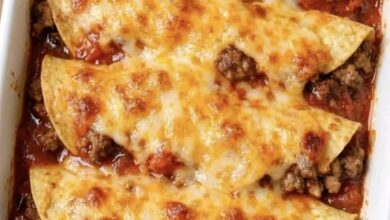
Of course! Here is a comprehensive, “big” recipe for a classic dish, formatted with all the sections you requested. The dish is Classic Beef Lasagna Bolognese—a beloved comfort food with deep roots and endless appeal.
Introduction
Lasagna is the quintessential heartwarming feast. It’s a culinary symphony of pasta, rich meat sauce, creamy béchamel, and melted cheese, baked to golden perfection. This recipe is not a quick weeknight meal; it’s a labor of love meant for weekends, gatherings, and times when you want to fill a home with incredible aromas and deliver a dish that satisfies soul-deep. We’ll build it from the ground up, exploring its history and why it remains an eternal favorite.
A Brief History
Lasagna’s origins are ancient and debated, tracing back to ancient Greece. The word “lasagna” comes from the Greek “lasanon,” referring to a cooking pot. The Romans adopted it as “lasanum.” However, the layered pasta dish we know today was perfected in the Emilia-Romagna region of Italy, specifically in Bologna. The earliest recorded recipe similar to modern lasagna appears in a 14th-century cookbook. Traditionally, in Northern Italy, it is made with ragù Bolognese (a meat-based sauce), béchamel (besciamella), and Parmigiano-Reggiano, not the ricotta mixture more common in Italian-American versions. This recipe honors that Northern Italian tradition.
Benefits & Why We Love It
· Feeds a Crowd: It’s the ultimate sharing dish.
· Make-Ahead Friendly: Often tastes better the next day as flavors meld.
· Nutritionally Balanced: Contains protein (meat, cheese), carbs (pasta), vegetables (in the sauce), and dairy (béchamel/cheese).
· Comfort Food Supreme: Provides a sense of warmth, nostalgia, and satisfaction.
· Customizable: Easily adapted for vegetarians or with different cheeses.
Formation (The Layering Principle)
The magic of lasagna is in its structured layers. A perfect lasagna has a balance where no single element overpowers another. The formation follows this pattern from the bottom up:
1. Foundation Sauce: Prevents sticking and starts the flavor.
2. Pasta Sheets: The structural base of each layer.
3. Meat Ragù: The hearty, savory core.
4. Béchamel Sauce: Provides creamy richness and moisture.
5. Cheese: Creates the golden, flavorful top.
This sequence is repeated to build height and complexity.
Ingredients
For the Ragù Bolognese:
· 2 tbsp olive oil
· 1 large onion, finely chopped
· 2 carrots, finely diced
· 2 celery stalks, finely diced
· 4 cloves garlic, minced
· 1 lb (450g) ground beef (80/20 blend for flavor)
· 1/2 lb (225g) ground pork or Italian sausage
· 1 cup dry red wine
· 1 (28 oz) can crushed San Marzano tomatoes
· 3 tbsp tomato paste
· 1 cup whole milk
· 1 cup beef or chicken broth
· 2 bay leaves
· 1 tsp dried oregano
· Salt and freshly ground black pepper to taste
For the Béchamel Sauce:
· 4 cups whole milk
· 1/2 cup (1 stick) unsalted butter
· 1/2 cup all-purpose flour
· 1/4 tsp freshly grated nutmeg
· Salt and white pepper to taste
For Assembly:
· 12-15 no-boil lasagna noodles (or fresh lasagna sheets)
· 2 cups (about 200g) freshly grated Parmigiano-Reggiano cheese
· 2 cups (8 oz) shredded low-moisture mozzarella cheese
· Fresh basil or parsley for garnish (optional)
Methods & Instructions
Part 1: Make the Ragù (The Heart of the Dish)
1. Sofrito Base: In a large Dutch oven or heavy pot, heat olive oil over medium heat. Add onion, carrot, and celery. Cook for 8-10 minutes until soft and fragrant. Add garlic and cook for 1 minute more.
2. Brown the Meat: Increase heat to medium-high. Add the ground beef and pork, breaking it up with a spoon. Cook until no longer pink and nicely browned.
3. Deglaze: Pour in the red wine, scraping up any browned bits from the bottom of the pot. Let it simmer until reduced by half.
4. Simmer: Add crushed tomatoes, tomato paste, milk, broth, bay leaves, and oregano. Stir well. Bring to a gentle simmer, then reduce heat to low.
5. Slow Cook: Partially cover and let the ragù simmer for at least 2 hours, stirring occasionally, until thick and rich. Season generously with salt and black pepper. Discard bay leaves.
Part 2: Make the Béchamel (The Creamy Bond)
1. Heat Milk: Warm the milk in a saucepan until just steaming (do not boil).
2. Make Roux: In a separate large saucepan, melt butter over medium heat. Whisk in flour and cook, whisking constantly, for 2 minutes until it forms a smooth paste (a roux) and smells slightly nutty.
3. Combine: Gradually add the warm milk to the roux, whisking constantly to prevent lumps. Bring to a simmer and cook for 3-5 minutes until the sauce thickens enough to coat the back of a spoon.
4. Season: Remove from heat. Stir in nutmeg, salt, and white pepper.
Part 3: Assemble & Bake (The Grand Construction)
1. Preheat & Prep: Preheat oven to 375°F (190°C). Grease a 9×13 inch baking dish.
2. First Layer: Spread a thin layer of ragù on the bottom. Add a single layer of lasagna noodles.
3. Build Layers:
· Layer 1: Spread 1/3 of the remaining ragù over the noodles.
· Layer 2: Pour 1/3 of the béchamel over the ragù.
· Layer 3: Sprinkle with 1/3 of the Parmigiano.
· Add another layer of noodles and repeat the sequence two more times.
4. Final Top Layer: After the final noodle layer, spread the last of the béchamel. Sprinkle with the shredded mozzarella and remaining Parmigiano.
5. Bake: Cover tightly with aluminum foil (tented slightly to not touch the cheese). Bake for 25 minutes. Remove foil and bake for another 20-25 minutes until the top is bubbly and beautifully browned.
6. The Crucial Rest: Remove from oven and LET IT REST for 20-30 minutes. This allows the layers to set, making it possible to slice cleanly.
—
Nutrition Information (Per Serving, approx. 1/12 of lasagna)
· Calories: ~550-600
· Protein: 35g
· Carbohydrates: 40g
· Fat: 28g (Saturated: 14g)
· Fiber: 4g
· Sodium: ~900mg
· Note: Values are estimates and can vary based on specific ingredients used.
—
For the Lovers
· The Cheese Lover: Add thin slices of fresh mozzarella between layers or a layer of ricotta mixed with an egg and parsley alongside the béchamel.
· The Veggie Lover: Add a layer of sautéed spinach, mushrooms, or roasted eggplant.
· The Herb Lover: Stir fresh chopped basil, thyme, or rosemary into the ragù in the last 10 minutes of cooking.
· The Time-Saver Lover: Use high-quality store-bought ragù and no-boil noodles. The béchamel is still worth making from scratch.
Conclusion
This Classic Beef Lasagna Bolognese is more than a meal; it’s an experience. From the slow-simmered ragù to the creamy béchamel and the glorious, bubbling cheese top, each step builds toward a spectacular result. Its history is woven into every layer, and its benefits—communal joy, nutritional balance, and deep satisfaction—are undeniable. Whether for a festive family dinner or a special occasion, mastering this dish is a rewarding culinary achievement that will make you, and anyone you share it with, a lifelong lover of authentic, homemade lasagna.