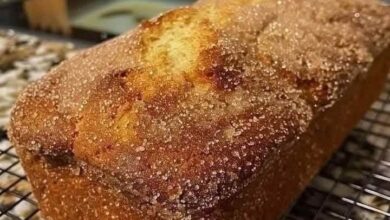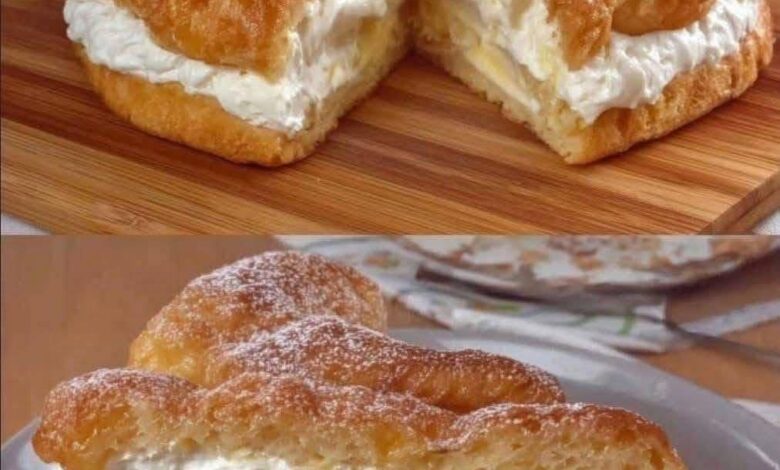
Here is a comprehensive guide to Cream Cheese Cake, covering its history, different types, recipes, nutritional information, and benefits.
📜 Introduction & History
The “cream cheese cake” you might be thinking of has deep historical roots. While many today imagine a rich, smooth cheesecake, its evolution is a story of culinary adaptation.
· Ancient Origins: The earliest versions date back over 4,000 years to ancient Greece, where a simple mixture of cheese, wheat, and honey was served to athletes for energy.
· Roman Adaptation: After conquering Greece, the Romans adapted the recipe into a dish called “libum,” adding eggs and using it in religious ceremonies.
· Modern American Innovation: The dessert we recognize today was born in the 19th century. American dairyman William Lawrence accidentally invented cream cheese in 1872 while trying to recreate French Neufchâtel cheese. This new, rich, and creamy ingredient became the foundation for the classic New York-style cheesecake, typically served on a graham cracker crust.
🍰 What is “Cream Cheese Cake”?
Today, the term can refer to two distinct, popular desserts:
· Classic Cheesecake: A rich, dense, and creamy custard-like dessert where cream cheese is the primary ingredient in the filling.
· Cream Cheese Cake (or Cake with Cream Cheese): A lighter, fluffier traditional cake that incorporates cream cheese into the batter or uses it to make a rich frosting.
👩🍳 Recipe 1: The Classic, No-Fuss Cheesecake
This recipe provides a simpler method for a classic, creamy cheesecake without needing a water bath.
Core Philosophy
The key to success here is gentle handling to prevent a dense or cracked cake:use room temperature ingredients, avoid over-beating the eggs, and allow the cake to cool gradually.
Key Ingredients (for a 9-inch cake)
· Crust: Graham cracker crumbs, sugar, melted butter.
· Filling: Full-fat brick cream cheese, sugar, sour cream, vanilla extract, salt, and room-temperature eggs.
Essential Tools
· 9-inch springform pan
· Stand mixer or hand mixer
· Baking sheet
Step-by-Step Method
· Prepare: Preheat oven to 325°F (160°C). Make and pre-bake the crust for 10 minutes.
· Make Filling: Beat cream cheese until smooth. Mix in sugar, then sour cream, vanilla, and salt.
· Add Eggs: With the mixer on low, add lightly beaten eggs one at a time, mixing just until combined.
· Bake: Pour batter into the crust. Bake on a baking sheet for 50-75 minutes until the edges are set but the center is slightly jiggly.
· Cool & Chill: Let cool in the turned-off oven with the door cracked for 1 hour, then on the counter until room temperature. Refrigerate for at least 6 hours, preferably overnight.
🔪 Recipe 2: The Traditional Water Bath Cheesecake
For bakers seeking the ultimate smooth, velvety texture, this method uses a water bath for gentle, even baking.
Core Philosophy
A water bath creates a steamy oven environment,which helps the cheesecake bake slowly and evenly, minimizing the risk of cracks and ensuring an ultra-creamy texture.
Key Ingredients (for a 9-inch cake)
· Crust: Similar to Recipe 1.
· Filling: Full-fat brick cream cheese, sugar, full-fat sour cream, vanilla, optional lemon juice, and eggs.
Essential Tools
· All tools from Recipe 1
· Large roasting pan (for the water bath)
Step-by-Step Method
· Prepare for Bath: Wrap the outside of the springform pan tightly with heavy-duty foil to prevent water leaks.
· Make Batter: Follow the same gentle mixing principles as Recipe 1.
· Bake in Water: Place the foil-wrapped pan into the roasting pan. Pour boiling water into the roasting pan until it reaches halfway up the side of the springform pan.
· Bake & Cool: Bake at 350°F (177°C) for about 1 hour. Cool as described in Recipe 1.
📊 Nutrition & Dietary Considerations
Cheesecake is a rich, indulgent dessert. Here is a nutritional snapshot per typical slice (approx. 1/12 of a 9-inch cake).
Calories
320-500 kcal
A significant energy source,primarily from fats and carbohydrates.
Macronutrients
· Total Fat: 20-36g
· Saturated Fat: 11-22g
This is a high-fat dessert.Most of the fat comes from cream cheese and butter.
· Carbohydrates: 26-50g
· Sugars: 22-28g
The main source is added sugar.The graham cracker crust contributes complex carbs.
· Protein: 6-8g
Comes from the eggs,cream cheese, and sour cream.
Key Vitamins/Minerals
· Calcium: 60-80mg (5-6% DV)
A notable amount from dairy ingredients.
· Vitamin A: 1200 IU
Important for vision and immune function.
Sodium & Cholesterol
· Sodium: 240-450mg (10-19% DV)
A moderate amount,mainly from cream cheese and salt.
· Cholesterol: 80-180mg (27-60% DV)
High,due to the eggs and dairy. Those monitoring cholesterol should take note.
Dietary Considerations
· Gluten-Free: Use a gluten-free crust alternative.
· Lower-Sugar: Reduce sugar in the filling by 25% and use a sugar substitute designed for baking. Note that this will alter texture and flavor.
· Lighter Version: Substitute full-fat dairy with lower-fat versions, though the texture will be less rich and creamy.
✅ Benefits & Joy of Baking
Beyond being a delicious treat, baking and enjoying cream cheese cake offers several benefits:
· Culinary Creativity: It’s a versatile base. You can customize it with different crusts (like Oreo or gingersnap), swirl in fruit purees, or top it with sauces, fresh fruit, or chocolate.
· The Joy of Sharing: Baking a cheesecake is often an act of love. Sharing this dessert with friends and family is a tradition for holidays and celebrations, strengthening social bonds.
· Mindful Process: The careful steps—bringing ingredients to room temperature, gently folding, patiently waiting for it to chill—can be a relaxing and rewarding mindful activity.
🎉 Conclusion
From the ancient fields of Greece to modern-day kitchens, the journey of cream cheese cake is a testament to culinary innovation. Whether you opt for the dense, velvety richness of a classic New York cheesecake or the lighter, tangy notes of a cream cheese-frosted cake, mastering this dessert is a rewarding experience. By understanding its history, following key techniques for a perfect texture, and being mindful of its nutritional profile, you can create a dessert that is much more than the sum of its parts—it’s a slice of shared history and joy.
I hope this comprehensive guide is helpful. If you decide to try one of the recipes and have questions about a specific step, feel free to ask