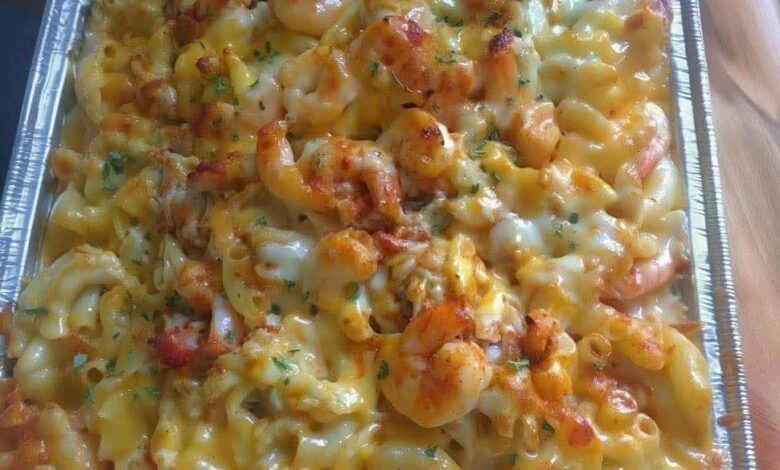
I have compiled a comprehensive guide to Seafood Mac and Cheese, which blends creamy comfort with gourmet elegance. The table below outlines its key aspects:
· Culinary Role: A gourmet twist on American comfort food.
· Core Components: Quality pasta, rich cheese sauce, and fresh seafood.
· Key Preparation: Making a roux-based sauce, undercooking pasta, and pre-cooking seafood.
· Nutritional Profile: Rich in protein and calcium, but also high in calories and saturated fat.
· Best Serving Context: Perfect for special occasions, potlucks, or as a decadent main course.
🍝 Core Ingredients
A great dish starts with great ingredients. Here’s what you’ll need, with key recommendations from the sources.
· Pasta
· Best Shapes: Elbow macaroni is the classic choice, but shapes like cavatappi, shells, or rotini hold sauce exceptionally well due to their nooks.
· Cooking Tip: Cook pasta 1-2 minutes less than package directions for al dente. It will finish cooking in the oven and won’t become mushy.
· The Cheese Trio
· Flavor Base: Sharp or extra-sharp cheddar provides a strong, tangy flavor backbone.
· Creamy Melter: Cheeses like Monterey Jack, Fontina, Gruyère, or mozzarella melt smoothly for a luxurious, creamy texture.
· Flavor Enhancer: Grated Parmesan or Parmigiano-Reggiano adds a salty, nutty depth.
· Pro Tip: Always shred cheese from a block. Pre-shredded cheese contains anti-caking agents that can make your sauce grainy.
· Seafood Selection
· Popular Choices: Shrimp, lump crab meat, and lobster are the most popular and pair beautifully with cheese.
· Budget & Other Options: For a more affordable version, use salad shrimp, bay scallops, or imitation crab. Crawfish, mussels, or clams also work for a regional twist.
· Preparation: Seafood should be cooked (sautéed, boiled, steamed) and cut into bite-sized pieces before being folded into the mac and cheese.
· The Creamy Sauce Base
· Dairy: A combination of whole milk and heavy cream yields the richest, creamiest results. Lower-fat milk can be used, but the sauce may be thinner.
· Roux: Equal parts butter and flour, cooked together, is the essential base for a smooth, lump-free cheese sauce.
· Secret Weapon: Adding 4 ounces of cream cheese to the sauce helps it stay creamy and reheat better later.
· Seasonings & Toppings
· Seasonings: Old Bay Seasoning is a classic seafood pairing. Cajun or Creole seasoning adds a kick, while simple salt, pepper, garlic powder, onion powder, and a pinch of nutmeg enhance the dairy flavors.
· Crunchy Topping: A mix of panko breadcrumbs or crushed plain potato chips with melted butter, sprinkled on top before baking, provides a delightful textural contrast.
👩🍳 Classic Preparation Method
Follow these steps to build your dish:
1. Prep & Cook Components
· Preheat your oven to 375°F (190°C).
· Cook your chosen pasta in well-salted water until al dente. Drain and set aside.
· Pat seafood dry and sauté in a skillet with a little butter and seasoning (like Old Bay) until just cooked through. Set aside.
2. Make the Cheese Sauce (The Most Important Step)
· In a large saucepan, melt butter over medium heat. Whisk in an equal amount of flour to form a paste (a roux). Cook for 1-2 minutes to remove the raw flour taste.
· Slowly pour in the milk and cream while whisking constantly to prevent lumps. Cook until the mixture thickens enough to coat the back of a spoon.
· Reduce heat to low. Add the cream cheese (if using) and stir until melted. Then, gradually add your shredded cheeses (except any reserved for topping), stirring until each addition is fully melted and the sauce is smooth.
· Season the sauce generously with your chosen spices and taste for adjustment.
3. Combine and Bake
· In a large bowl, gently combine the cooked pasta, cheese sauce, and prepared seafood.
· Transfer the mixture to a greased baking dish (a 9×13 inch or 3-quart dish is standard).
· Sprinkle with your chosen buttery topping (and extra cheese, if desired).
· Bake for 20-30 minutes, or until the top is golden brown and the edges are bubbly. For extra browning, broil for the last 2-3 minutes, watching closely.
· Let it rest for 5-10 minutes before serving; this allows the sauce to set.
📜 Historical & Cultural Context
· Origins: Macaroni and cheese has roots in European pasta and cheese dishes but became a staple of American comfort food in the 20th century, popularized by packaged products.
· The Gourmet Evolution: The addition of luxurious ingredients like lobster, crab, and premium cheeses transformed it from a simple family dish into a restaurant-worthy entrée, often found on steakhouse and fine dining menus.
· Regional Twists: In Cajun and Creole cuisine (like the recipe from Acadiana Table), the dish incorporates local seafood like crawfish and shrimp, along with the “Holy Trinity” of onions, celery, and bell peppers, and is topped with a whimsical potato chip crust.
🥗 Nutritional Profile & Benefits
This is a rich, indulgent dish. The nutritional values below are approximate per serving (based on a recipe serving 6-8):
· Calories: 450 – 750 kcal
· Protein: 27 – 86g (Excellent source from seafood and cheese)
· Carbohydrates: 35 – 58g
· Fat: 25 – 103g (High in saturated fat)
💡 Pro Tips for Success
· Prevent Grainy Sauce: Use room-temperature dairy and add cheese off the heat to prevent it from breaking.
· Save Pasta Water: Before draining the pasta, save a cup of the starchy water. If your sauce thickens too much upon standing, stir in a splash to loosen it.
· Reheating Leftovers: To restore creaminess, reheat portions in the oven at 350°F or in a saucepan with a splash of milk.
🍽️ Serving & Pairing Suggestions
· As a Main Dish: Serve with a light, acidic side to cut through the richness. A simple arugula salad with lemon vinaigrette, roasted asparagus, or green beans almondine are perfect.
· As a Side Dish: It pairs magnificently with grilled steak (for a surf-and-turf dinner), smoked lobster tails, or baked crab legs.
· For a Crowd: This dish is a guaranteed hit at potlucks, holiday gatherings, and special celebrations.
🔁 Creative Variations
· Spicy Cajun: Use Andouille sausage and a generous amount of Cajun seasoning.
· Lobster Luxe: Use primarily lobster meat and pair with Gruyère and fontina cheeses.
· Smoky Gouda: Substitute smoked Gouda for one of the melting cheeses for a deep, campfire-like flavor.
I hope this guide inspires you to create a delicious Seafood Mac and Cheese. What type of seafood or cheese combination are you most excited to try?