How Long Should You Wait Before Cutting Into Your Sourdough?
Introduction
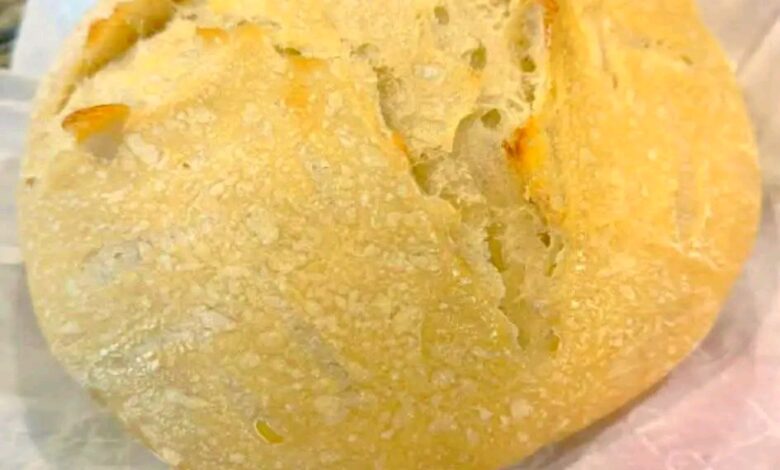
You’ve just pulled a beautifully golden sourdough loaf from the oven. The crust is crackling, the aroma fills the kitchen, and the temptation to slice into it immediately is real! However, waiting before cutting your sourdough is a crucial final step in the baking process.
The ideal waiting time is at least 1–2 hours.
For best results, many bakers recommend 2–4 hours for a fully set crumb.
Ingredients Quantity (Classic Sourdough Loaf)
500g bread flour
350g water (room temperature)
100g active sourdough starter
10g salt
Instructions (Including Cooling Guidance)
Mix & Autolyse: Combine flour and water. Rest 30 minutes.
Add Starter & Salt: Mix thoroughly until incorporated.
Bulk Fermentation: 4–6 hours at room temperature with stretch and folds every 30 minutes during the first 2 hours.
Shape: Form into a round or oval loaf.
Final Proof: 2–4 hours at room temperature or overnight in the refrigerator.
Bake:
Preheat oven to 475°F (245°C) with Dutch oven inside.
Bake 20 minutes covered.
Bake 20–25 minutes uncovered until deep golden brown.
Cool Completely: Transfer to a wire rack and wait at least 1–2 hours before slicing.
Why Wait?
The internal temperature continues stabilizing.
Steam redistributes throughout the crumb.
The structure sets fully.
Texture becomes less gummy.
Cutting too early can result in a sticky, underdeveloped interior.
Origin and Cultural Significance
Sourdough is one of the oldest forms of leavened bread, dating back to Ancient Egypt. Before commercial yeast existed, natural wild yeast and bacteria were used to ferment dough.
In the United States, sourdough became especially famous in San Francisco during the Gold Rush era. Miners carried sourdough starters with them, making it a symbol of resilience and self-sufficiency.
Today, sourdough represents:
Traditional craftsmanship
Slow food culture
Natural fermentation
Artisanal baking revival
Description
A properly cooled sourdough loaf has:
A crisp, crackly crust
An airy, open crumb
A slightly chewy texture
A mild tangy flavor
When sliced too soon, the crumb may appear shiny or gummy. When cooled properly, the texture is soft yet structured, with well-defined air pockets.
Optional Additions
Enhance your sourdough with:
Sunflower, sesame, or flax seeds
Fresh rosemary or thyme
Roasted garlic
Olives
Dried cranberries and walnuts
Whole wheat or rye flour substitutions
Tips for Success
Always cool on a wire rack to prevent moisture buildup.
Check internal temperature — it should reach 205–210°F (96–99°C).
Larger loaves may require closer to 3–4 hours cooling time.
If you must slice early, cut from the center rather than the edge to minimize structure collapse.
Flavor often improves the next day.
Patience is truly the final ingredient.
Nutritional Information (Approximate per Slice)
Calories: 120–150
Protein: 4–6g
Carbohydrates: 25–28g
Fiber: 1–2g
Fat: 0.5–1g
Because of natural fermentation, sourdough may:
Be easier to digest
Improve mineral absorption
Have a slightly lower glycemic impact than conventional bread
Conclusion
While the aroma of fresh sourdough is irresistible, waiting at least 1–2 hours before slicing ensures the best texture and flavor. Cooling allows the loaf to finish setting internally, rewarding you with a perfectly structured crumb.
Recommendation
For your first loaf, aim to wait a full 2 hours.
If possible, allow 3–4 hours for maximum flavor and texture development. Pair with high-quality butter or olive oil for the ultimate experience.
Embracing Healthful Indulgence
Sourdough is more than bread — it’s a celebration of time, patience, and natural fermentation. Choosing slow-fermented bread supports mindful eating and traditional food practices.
By allowing your loaf to cool completely, you honor the process and enjoy sourdough at its absolute best — a wholesome indulgence rooted in centuries of baking tradition. 🥖✨