Here is a comprehensive guide to the classic Old-Fashioned Oatmeal Cake, complete with everything you asked for, from its history to a detailed recipe and even its modern-day admirers.
Introduction: A Slice of Nostalgia
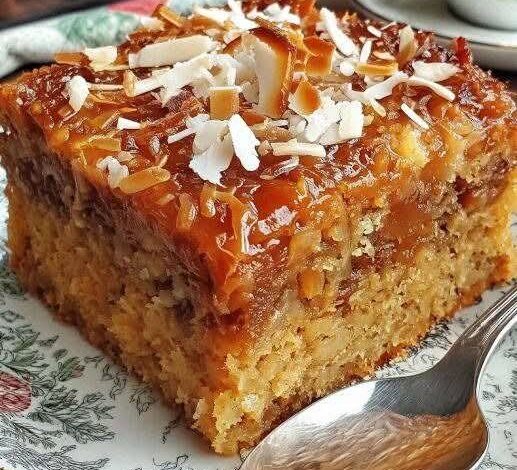
The Old-Fashioned Oatmeal Cake is more than just a dessert; it’s a tender, spiced embrace from the past. This cake stands as a beloved classic in American baking, prized for its incredibly moist texture, warm cinnamon flavor, and the signature broiled coconut-pecan topping that adds a delightful crunch. Unlike fussy layer cakes, this is a humble, rustic dessert designed for sharing at family gatherings, potlucks, and weeknight dinners. It tastes even better the day after it’s made, as the flavors have time to meld together, making it a perfect make-ahead treat . This recipe captures that nostalgic charm, delivering a cake that is simple to prepare but impressive in its heartfelt deliciousness.
History: From Scottish Staple to American Classic
The story of oatmeal cake begins not in America, but in Scotland. As early as the 14th century, the Scots, thriving in a climate where oats were one of the few reliable crops, created the first “oat cakes” . These were not sweet, cake-like desserts but rather a simple, savory griddle bread or cracker made from just oats, water, salt, and fat. They were a dietary staple for centuries .
The transformation into the sweet cake we know today began when Scottish and British immigrants brought their oat-centric recipes to North America. The crucial shift happened with the industrialization of oats. In 1888, the American Cereal Company (which would become Quaker Oats) was established, making oats a widely available pantry staple . As white sugar became more accessible and home baking flourished in the late 19th and early 20th centuries, cooks began experimenting. They transformed the humble, savory oatcake by adding sugar, eggs, flour, and spices like cinnamon, turning it from a breakfast item into a delightful tea cake or dessert. The addition of a rich, broiled coconut topping—a signature feature of the classic recipe—solidified its place in American baking tradition, particularly popularized in community cookbooks throughout the mid-20th century.
Formation: Building the Perfect Cake
The magic of this cake lies in its simple formation and the texture created by the oats. Here’s how it comes together:
1. The Oat Base: The process begins by pouring boiling water over old-fashioned rolled oats. This step is crucial. It softens the oats and allows them to absorb moisture, which will later release during baking to create an exceptionally moist and tender crumb. The mixture must sit for about 20 minutes to cool .
2. The Batter: While the oats cool, butter and both brown and white granulated sugar are creamed together until light and fluffy. Brown sugar adds moisture and a deep, caramel-like flavor. Eggs and vanilla are beaten in, followed by the cooled oatmeal mixture .
3. The Dry Ingredients: In a separate bowl, flour, baking soda, salt, and warm spices like cinnamon (and sometimes nutmeg) are whisked together. These are then gently folded into the wet ingredients until just combined—overmixing would develop the gluten in the flour and make the cake tough .
4. The Signature Topping: The final, defining step is the topping. While the cake bakes, a simple mixture of butter, brown sugar, milk or cream, shredded sweetened coconut, and often chopped pecans is combined . This is spread over the cake as soon as it comes out of the oven. The cake is then placed under the broiler for a couple of minutes until the topping bubbles, caramelizes, and turns a beautiful golden brown .
Ingredients & Recipe
This recipe combines the best elements from several classic versions to create the ultimate old-fashioned oatmeal cake.
Yields: 12-16 servings
Prep time: 25 minutes
Cook time: 40-45 minutes
For the Cake:
· 1 cup (80g) old-fashioned rolled oats (do not use instant)
· 1 ¼ cups (295ml) boiling water
· ½ cup (113g) unsalted butter, softened
· 1 cup (200g) granulated sugar
· 1 cup (220g) packed brown sugar
· 2 large eggs, at room temperature
· 1 teaspoon vanilla extract
· 1 ½ cups (188g) all-purpose flour
· 1 teaspoon baking soda
· ½ teaspoon salt
· 1 teaspoon ground cinnamon
· ¼ teaspoon ground nutmeg (optional, but recommended)
For the Broiled Coconut-Pecan Topping:
· ¼ cup (57g) unsalted butter
· ½ cup (110g) packed brown sugar
· 3 tablespoons milk, cream, or canned coconut milk
· 1 cup (80g) sweetened shredded coconut
· ½ cup (60g) chopped pecans
Instructions: Step-by-Step Method
1. Prepare the Oats: Place the old-fashioned oats in a small bowl. Pour the boiling water over them, stir, and let sit for 20 minutes to soften and cool .
2. Preheat and Prep: Preheat your oven to 350°F (175°C). Grease a 9×13-inch baking pan .
3. Cream Butter and Sugars: In a large mixing bowl, use an electric mixer to beat the softened butter, granulated sugar, and brown sugar on medium speed until light and fluffy .
4. Add Wet Ingredients: Beat in the eggs one at a time, then mix in the vanilla extract. Fold in the cooled oatmeal mixture (including any remaining liquid) until just combined .
5. Combine Dry Ingredients: In a separate bowl, whisk together the flour, baking soda, salt, cinnamon, and nutmeg .
6. Mix Batter: Gradually add the dry ingredients to the wet ingredients, mixing on low speed until just incorporated. Be careful not to overmix .
7. Bake the Cake: Pour the batter into the prepared pan and spread evenly. Bake for 40-45 minutes, or until a toothpick inserted into the center comes out clean .
8. Make the Topping: While the cake bakes, prepare the topping. In a medium bowl, combine the melted butter, brown sugar, milk, shredded coconut, and chopped pecans .
9. Broil the Topping: Remove the cake from the oven. Turn the oven broiler on. Carefully spread the topping mixture evenly over the warm cake .
10. Final Broil: Place the cake back in the oven under the broiler for 2-4 minutes. Watch it very closely to prevent burning. Broil until the topping is bubbly and the coconut is a beautiful golden brown .
11. Cool and Serve: Allow the cake to cool completely on a wire rack for at least 30-60 minutes before slicing and serving. This allows the topping to set .
Benefits (Nutrition)
While this is undoubtedly a dessert to be enjoyed in moderation, it does offer some nutritional benefits, primarily from the oats.
· Source of Fiber: Oats are a good source of soluble fiber, specifically beta-glucan, which is known for its cholesterol-lowering properties and benefits for gut and heart health .
· Provides Lasting Energy: The combination of complex carbohydrates from the oats and fiber helps slow down digestion, providing more sustained energy compared to desserts made with refined flour alone .
· Nutrients: Oats also contain essential minerals like magnesium, iron, and zinc. The optional pecans add healthy unsaturated fats, protein, and additional fiber .
Nutrition Facts
(Per serving, based on 16 servings)
Nutrient Amount % Daily Value*
Calories 311-362 kcal 16-18%
Total Fat 14-15g 18-22%
Saturated Fat 6-10g 30-50%
Cholesterol 46-56mg 15-19%
Sodium 149-266mg 6-12%
Total Carbohydrate 44-54g 15-18%
Dietary Fiber 1-3g 4-11%
Total Sugars 31-42g 62-84%
Protein 3-5g 6-10%
Percent Daily Values are based on a 2,000 calorie diet. Your daily values may be higher or lower depending on your calorie needs. Estimates from .
Lovers: Who Enjoys This Cake?
The lovers of Old-Fashioned Oatmeal Cake are a diverse group, united by a shared appreciation for its unique qualities.
· The Nostalgic: It’s a favorite among those who remember it from their grandmother’s kitchen, evoking strong, positive memories of family and comfort .
· The Texture Enthusiast: People who love the contrast between a soft, moist crumb and a crunchy, candied, nutty topping find this cake irresistible.
· The “Not-Too-Sweet” Dessert Fan: Compared to many frosted layer cakes, the sweetness here is often described as more balanced and warm, thanks to the oats and brown sugar.
· The Home Baker: Its simple, one-pan method and use of basic ingredients make it a reliable and beloved recipe for bakers of all skill levels.
Conclusion
The Old-Fashioned Oatmeal Cake is a timeless treasure that perfectly embodies the idea of “comfort food.” From its humble origins as a Scottish oatcake to its cherished place on the American dessert table, it has stood the test of time for good reason. It’s a cake that is simple to make, deeply satisfying to eat, and guaranteed to fill your home with a warm, inviting aroma. Whether you’re a long-time lover or trying it for the first time, this cake is more than just a recipe—it’s a delicious slice of history.