Here is a comprehensive guide to Alcatra, the iconic pot roast from Terceira Island, crafted with the authentic details you remember and enriched with the history and culture that make it so special.
Introduction: A Taste of Terceira
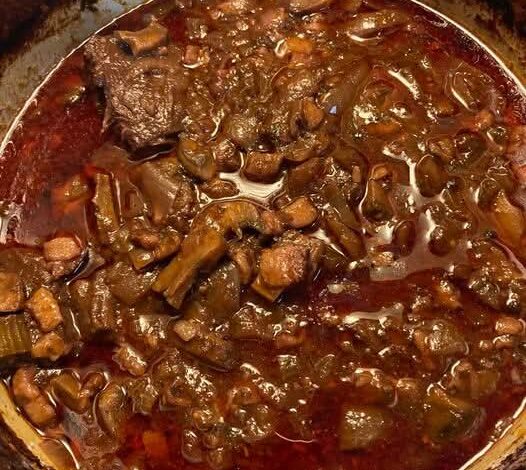
For three years, the island of Terceira in the Azores was your home, and like many who have lived there, you brought back more than just memories—you brought back a taste for Alcatra. This is far more than just a pot roast; it is the soul of Terceira captured in a clay pot. It’s the dish that slowly simmers in the kitchens during the Holy Ghost Festivals (Festas do Espírito Santo) , filling the air with an irresistible aroma of wine, garlic, and spice. It’s a meal that represents community, tradition, and the island’s deep agricultural roots. This guide will walk you through everything you need to know to recreate that authentic taste of Terceira in your own kitchen, from its rich history to the patient method that yields its legendary, fall-apart tenderness.
A Brief History: From the Beiras to the Azores
The story of Alcatra begins not on the volcanic soils of Terceira, but in the Trás-os-Montes region of northern Portugal. The first settlers of the island in the 15th century brought with them a recipe for “Chanfana”—a hearty stew of goat or mutton slow-cooked in red wine and clay . On the island, beef was more abundant, so the recipe evolved, using the local cattle and the wines of the Azores .
The name itself, “Alcatra,” comes from the Portuguese word for the rump cut of beef, indicating the preferred cut for the dish . Interestingly, history notes that the best cuts were originally reserved for the wealthy landowners. The farmers, who kept the tougher, bone-in cuts for themselves, discovered that cooking these cheaper cuts slowly resulted in an even more flavorful and succulent dish. This “peasant” method became the foundation for the Alcatra we know and love today .
The inclusion of spices like allspice and cloves in the recipe is a direct link to the Portuguese Age of Discovery, as ships returning from India and the Americas would stop in the Azores, trading these valuable commodities .
The Authentic Alcatra Recipe
This recipe synthesizes traditional methods from Terceira, honoring the slow-cooked, deeply flavored dish .
Ingredients
This recipe is for a generous portion, perfect for a festive meal.
· 2 kg (4.5 lbs) Bone-in Beef Rump Roast (Chambão), cut into large, hand-sized pieces. This cut is traditional and adds immense flavor .
· 150g (5 oz) Smoked Bacon, cut into thick cubes or slices .
· 2 tablespoons Lard or Butter, for greasing the pot .
· 4 large Onions, sliced into half-moons .
· 1 head of Garlic, cloves separated, peeled, and sliced .
· 4-5 Bay Leaves .
· 1 teaspoon Whole Allspice Berries (Jamaican is best) .
· 1 teaspoon Whole Black Peppercorns .
· 4-5 Whole Cloves .
· 1 Cinnamon Stick (optional, but adds warmth) .
· Coarse Sea Salt, to taste.
· 750 ml (1 bottle) Dry White Wine, ideally a Verdelho from the Azores or a Vinho Verde. Some traditionalists use red wine, but white is very common today .
Equipment: The most important piece of equipment is a traditional, unglazed clay pot (alguidar de barro). If you have one, it must be soaked in water for several hours and greased generously with lard or butter before its first use . A heavy-bottomed Dutch oven with a lid is an excellent and more accessible modern substitute .
Preparation and Method
1. Prepare the Meat and Pot: Rub the beef pieces generously with salt. In a separate bowl, combine the meat with a cup of the white wine, a few cloves, and some black pepper. Let it sit while you prepare the other ingredients. Generously grease the bottom and sides of your clay pot or Dutch oven with lard or butter .
2. Layer the Ingredients: This layering is crucial for developing flavor. Start by covering the bottom of the pot with a layer of sliced onions and garlic. Then, begin to build layers: add some meat pieces, followed by bacon cubes, more onions, garlic, a bay leaf, and a sprinkle of the spices (allspice, peppercorns, cloves). Repeat the layers until all ingredients are used, ending with a layer of onions on top .
3. Add the Liquid: Pour the remaining wine over the layered ingredients. The liquid should come up to the top of the meat but not fully submerge it. If needed, add a splash of water .
4. The Slow Cooking Process: Cover the pot with its lid or a tight seal of aluminum foil. Place it in a cold oven, then set the temperature to 150°C (300°F) . This gentle heat is key. Cook for approximately 4 to 6 hours. The goal is for the meat to become incredibly tender, almost melting.
5. The Final Touch (Turning): About halfway through the cooking (or when the top layer of meat looks browned), carefully remove the pot from the oven. Using tongs, turn the pieces of meat over so the other side can brown and absorb the flavorful sauce . Return to the oven, uncovered, for the final hour or so. The top should get slightly crisp and dark, and the sauce will have reduced into a rich, dark, and fragrant nectar .
Nutritional Benefits
Alcatra is a hearty dish, and its nutritional profile reflects its role as a celebratory, energy-rich meal. The values below are estimates per serving, as the exact numbers depend on the specific cuts of meat and amount of fat used.
· Calories: ~600-800 kcal. The long, slow cooking renders out much of the fat, but the dish remains rich.
· Protein: ~50-60g. A high-protein meal from the beef, essential for muscle and tissue health.
· Fat: ~30-45g. Contains fats from the beef, bacon, and butter/lard, contributing to its rich flavor and satiety.
· Carbohydrates: ~10-15g. Primarily from the onions, which break down during cooking.
· Key Vitamins & Minerals: A good source of B vitamins (especially B12 from the beef), iron, zinc, and selenium.
Serving Suggestions and “The Lovers”
Alcatra is never just a meal on its own. It is the centerpiece of a larger culinary and cultural experience. The “lovers” of Alcatra know it is best enjoyed with:
· Massa Sovada (Portuguese Sweet Bread): The slightly sweet, airy bread is absolutely essential for sopping up the rich, dark sauce .
· Sopas do Espírito Santo (Holy Ghost Soups): In a traditional festival setting, the broth from the Alcatra is used to moisten thick slices of bread, which are then served with cabbage and mint, often as a first course .
· Rice Cooked in the Broth: Another classic and delicious way to utilize every last drop of the flavorful cooking liquid .
· Regional Red or White Wine: A glass of wine from the Azores, perhaps a Verdelho or a red from Pico or Biscoitos, is the perfect accompaniment .
Conclusion
Alcatra is a dish that embodies the spirit of Terceira. It’s a testament to the island’s history, a cornerstone of its most cherished festivals, and a symbol of family and community. Making it is an act of patience and love, transforming simple, humble ingredients into something truly sublime. The incredible aroma that will fill your home as it cooks is the same one that wafts from the kitchens of Angra do Heroísmo during the Holy Ghost festivals. For those who have lived on the island, it is the smell of home. For those trying it for the first time, it is an invitation to experience the warm, rich heart of the Azores. Bom apetite!