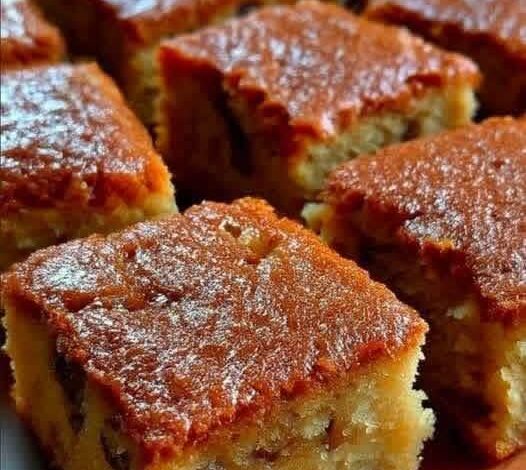
Here is a comprehensive guide to Raisin Cake Bars, covering everything from their history to a classic recipe.
1. Introduction: The Timeless Appeal of Raisin Cake Bars
Raisin Cake Bars are a beloved, old-fashioned comfort dessert that perfectly blends a moist spice cake with the natural sweetness of raisins. Often topped with a simple glaze or frosting, these bars are known for being easy to make and even easier to share, making them a staple for potlucks, family gatherings, or a nostalgic treat with a cup of coffee.
Their enduring popularity comes from their simplicity and the rich, warm flavors of spices like cinnamon, cloves, and nutmeg, which pair wonderfully with plump, juicy raisins.
2. Historical Origins & Global Cousins
The story of raisins in baking is ancient and widespread. The history of drying grapes into raisins dates back to around 2000 BC in ancient Egypt and Persia, where the hot, dry climate was ideal for preservation. This technique allowed people to enjoy the fruit’s sweetness long after the harvest season ended.
· Ancient Beginnings: Raisins were prized in ancient Greece and Rome and were later brought to the New World by explorers like Christopher Columbus.
· A North American Icon: In the 20th century, a specific type of raisin cake bar became a cultural icon. The “Spanish Bar Cake,” produced by the Jane Parker Bakery and sold in A&P supermarkets across the US and Canada, was a simple, bar-shaped raisin spice cake with vanilla frosting that many remember fondly from their childhood.
· International Relatives: Similar concepts exist worldwide. In parts of the UK and Ireland, pastries with a thick layer of currants or raisins are humorously nicknamed “flies’ graveyard” or “flies’ cemetery” due to the fruit’s resemblance to insects. In Dublin, a similar confection made from bakery leftovers is traditionally called “Gur cake”.
3. Health Benefits of the Star Ingredient
While Raisin Cake Bars are a dessert, the inclusion of raisins offers more than just flavor. When consumed in moderation, raisins contribute several nutritional benefits:
· Nutrient-Dense: Raisins are a good source of dietary fiber, potassium, and iron. Studies have associated raisin consumption with better overall nutrient intake.
· Natural Energy & Antioxidants: They provide quick energy from natural sugars and contain beneficial antioxidants and phytonutrients that can help reduce inflammation and combat oxidative stress.
· A Healthier Choice?: Compared to many cream-based or chocolate desserts, a raisin cake can have a nutritional edge. It often relies on the natural sweetness of the fruit, potentially requiring less added sugar, and can be a source of more fiber and micronutrients.
4. Classic Raisin Cake Bar Recipe: Old-Fashioned Raisin Bars with Maple Glaze
This recipe is a community favorite, celebrated for its deep spice flavor and simple, no-mixer method.
Category: Dessert
Cuisine: American
Prep Time: 15 minutes
Cook Time: 25-30 minutes
Total Time: 45 minutes
Yield: 18-20 bars
Serving Size: 1 bar
Calories: ~265 kcal (estimated per bar)
Ingredients
For the Bars:
· All-purpose flour – 1 ¾ cups
· Baking soda – 1 teaspoon
· Salt – ½ teaspoon
· Ground cinnamon – 1 ½ teaspoons
· Allspice – 1 teaspoon
· Ground cloves – ½ teaspoon
· Raisins – 1 cup
· Water – 1 cup
· Unsalted butter – 1 stick (½ cup)
· Granulated sugar – 1 cup
· Large egg – 1
· Chopped pecans or walnuts – ½ cup (optional)
For the Maple Glaze:
· Confectioners’ (powdered) sugar – 1 ½ cups
· Melted butter – 2 tablespoons
· Maple extract – 1 teaspoon (vanilla extract can be substituted)
· Milk – 2-3 tablespoons (enough to make a spreadable or drizzle-able consistency)
Baking Instructions
1. Prep & Preheat: Grease or spray a 9×13 inch baking pan with cooking spray. Preheat your oven to 350°F (175°C).
2. Combine Dry Ingredients: In a medium bowl, whisk together the flour, baking soda, salt, cinnamon, allspice, and cloves. Set aside.
3. Prepare Raisin Mixture: In a saucepan, combine the raisins and 1 cup of water. Bring to a boil, then remove from heat. Immediately stir in the stick of butter and the granulated sugar until both are fully melted and combined. Let this mixture cool slightly (it should not be piping hot when you add the egg).
4. Make the Batter: Pour the warm raisin mixture into the bowl with the dry ingredients. Stir with a spoon until mostly combined. Add the egg and continue stirring until you have a uniform batter. Fold in the chopped nuts, if using.
5. Bake: Pour the batter into the prepared pan, spreading it evenly. Bake for 25-30 minutes, or until a toothpick inserted into the center comes out clean.
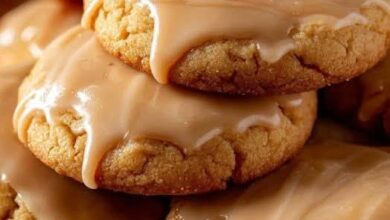
6. Cool & Frost: Let the cake cool completely in the pan on a wire rack. For the glaze, simply mix all ingredients in a bowl until smooth. Drizzle or spread evenly over the cooled bars.
7. Slice & Serve: For clean cuts, you can chill the frosted bars for 20-30 minutes before slicing into squares or rectangles.
5. Nutrition Information
Here is a general nutritional breakdown for one serving of the raisin bar recipe above. Please note this is an estimate; values can vary based on specific ingredients and portion size.
· Calories: ~265
· Total Fat: ~9g
· Saturated Fat: ~5g
· Cholesterol: ~35mg
· Sodium: ~175mg
· Total Carbohydrates: ~45g
· Dietary Fiber: ~1g
· Total Sugars: ~32g
· Protein: ~2g
6. Modern Twists & Expert Baking Tips
· For Extra Moistness: Consider adding ½ cup of applesauce to the batter, as it creates a wonderfully moist texture.
· Spice Adjustments: For a deeper, more intense spice flavor reminiscent of the classic Spanish Bar Cake, try increasing all spices by 50% and adding 1 tablespoon of cocoa powder to the dry ingredients for color and richness.
· Plumping Raisins: Soaking the raisins in hot water (or even hot tea) before baking ensures they stay plump and juicy in the final bar.
· Frosting Variations: Instead of a maple glaze, a brown sugar cream cheese frosting is a decadent alternative. Brown the butter for a nutty, caramel-like depth.
7. Conclusion & For the Lovers of this Treat
Raisin Cake Bars are more than just a dessert; they are a edible piece of culinary history, connecting us to ancient preservation techniques and mid-century supermarket nostalgia. They offer a comforting, not-too-sweet treat that feels both wholesome and indulgent.
For the lovers of this classic—those who remember the A&P cake or have a family recipe passed down through generations—baking a pan of these bars is an act of preservation in itself. It keeps a simple, delicious tradition alive in our modern kitchens. Whether you stick to the old-fashioned recipe or add your own personal twist, the result is a timeless dessert meant to be shared.
I hope this guide inspires you to bake a batch! If you try a variation with different spices, fruits, or frostings, feel free to share your experience.