Introduction to Panko Cookies: The Crunchy, Buttery Surprise
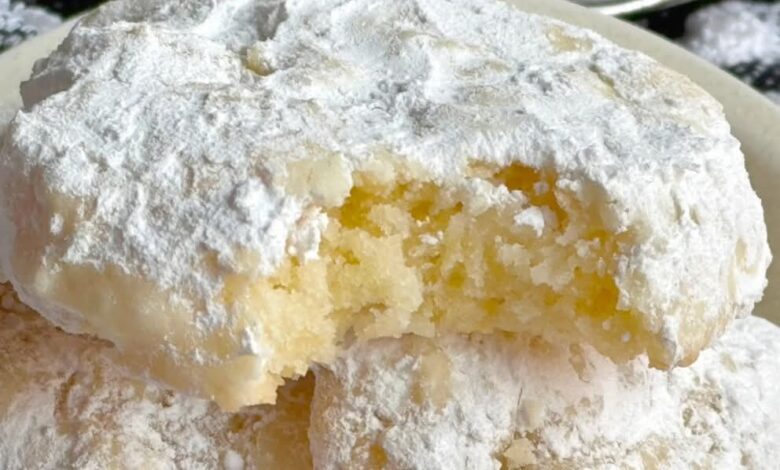
Panko cookies are a delightful and unexpected twist on the classic butter cookie, distinguished by their unique, airy crunch. This innovative recipe incorporates Panko bread crumbs—traditionally used for crispy coatings on savory foods like fried chicken or shrimp—into a sweet, buttery dough. The result is a cookie with a melt-in-your-mouth texture from the butter and powdered sugar, perfectly contrasted by the light, crispy, and delicate crunch of the Panko. They are a fantastic conversation starter at bake sales or holiday cookie exchanges, guaranteed to intrigue friends and family who can’t quite place the secret ingredient.
A Brief History: From Savory Staple to Sweet Secret
While the exact origin story of the Panko cookie is not documented in the search results, its innovation lies in the creative, cross-cultural application of a pantry staple. Panko itself is a Japanese-style breadcrumb made from crustless bread, which is processed into large, flaky crumbs rather than fine grains. This structure gives it a superior, longer-lasting crunch and the ability to absorb less grease than regular breadcrumbs. Some adventurous bakers, inspired by “vintage” recipes, began experimenting by adding these crispy crumbs to cookie dough, discovering they provided an unparalleled texture without being heavy or oily. This fusion of a savory Japanese ingredient with a Western-style butter cookie is a modern example of creative, global home baking.
Recipe: Classic Panko Cookies
This is the foundational recipe that yields rich, crumbly cookies with a signature sweet coating.
Ingredients
· Unsalted butter: 1/2 cup (at room temperature, for easy creaming)
· Confectioners’ (powdered) sugar: 1/4 cup for the dough, plus 2 cups for rolling and coating the baked cookies
· Vanilla extract: 1 teaspoon
· All-purpose flour: 1 cup
· Panko bread crumbs: 1/2 cup (plain, unseasoned)
Equipment
· Stand mixer or hand mixer
· Baking sheet
· Parchment paper or silicone baking mat
· 1-ounce (2 tablespoon) cookie scoop (optional but helpful)
· Wire cooling rack
Step-by-Step Instructions & Methods
1. Prep and Cream:
Preheat your oven to 350°F(175°C). Line a baking sheet with parchment paper or a silicone mat to prevent over-browning. In a mixing bowl, cream together the room-temperature butter and 1/4 cup of confectioners’ sugar. Beat on medium speed for about 2 minutes until the mixture is light, fluffy, and pale. Beat in the vanilla extract until combined.
2. Combine Dry Ingredients:
Reduce the mixer speed to low.Gradually add the all-purpose flour and Panko bread crumbs to the butter mixture. Mix just until the dry ingredients are fully incorporated and a soft dough forms. Be careful not to overmix.
3. Form and Bake:
Using a cookie scoop or a tablespoon,portion the dough into balls. Place them on the prepared baking sheet and gently press down with your palm to flatten each into a disk about 1/2 inch thick. Bake for 7 minutes, then rotate the baking sheet 180 degrees to ensure even baking. Bake for another 7-8 minutes, until the cookie bottoms are just lightly golden brown.
4. Coat and Cool:
Let the cookies cool on the baking sheet for exactly10 minutes. While still warm (but not hot), carefully roll each cookie in the reserved powdered sugar for an initial, generous coating. Place the sugar-dusted cookies on a wire rack to cool completely. Once completely cool, roll them in powdered sugar a second time for a beautiful, snowy finish and optimal sweetness. Store in an airtight container at room temperature.
Expert Tips for Success
· Toasting Panko (Optional): For a deeper, nuttier flavor and even more crunch, you can toast the Panko crumbs in a dry skillet over medium heat for a few minutes until golden before adding them to the dough.
· Double Sugar Coat: The two-stage sugar coating is key. The first coat on warm cookies helps it adhere and melt slightly, while the second coat on cool cookies gives the classic powdery look.
· No Spread: This dough does not require chilling and the cookies will not spread much during baking, so you can space them about 2 inches apart.
Nutritional Information & Benefits
A serving of one cookie (approximately 44g) from the primary recipe provides roughly 210 calories. The notable texture and potential benefits come from the Panko itself.
Nutritional Highlights of Panko (per 1/2 cup serving):
· Calories: 100-110
· Fat: 0g-1g
· Sodium: 35mg-150mg (varies by brand)
· Carbohydrates: 21g-24g
· Protein: 2g-4g
Potential Benefits in This Recipe:
· Unique Texture: Panko provides a satisfying, airy crunch without the density of nuts, making it a great option for nut-free gatherings.
· Less Greasy Feel: Because Panko crumbs are flakier and absorb less fat than regular breadcrumbs, they contribute crispiness to the cookie without making it feel oily.
· Versatile Base: The simple recipe can be adapted with various flavorings and add-ins to suit different tastes.
Creative Recipe Variations
The basic Panko cookie is a perfect canvas for customization. Here are some popular variations drawn from the search results:
· Cinnamon Sugar: Add 1 teaspoon of ground cinnamon to the dry ingredients for a warm, spiced flavor.
· Citrus Zest: Mix in the zest of one lemon or orange to the dough for a bright, refreshing twist.
· Extract Swap: Replace the vanilla extract with almond, maple, or anise extract for a completely different aroma.
· Chocolate Chip: Fold 1/4 cup of mini chocolate chips into the dough.
· Nutty Addition: Stir in finely chopped pecans or walnuts for extra crunch and flavor.
Conclusion: Who Will Love These Cookies?
Panko cookies are a hidden gem in the world of baking. They are for the curious baker who loves to surprise and delight, for anyone seeking a nut-free yet crunchy cookie option, and for all lovers of texture who appreciate the contrast between a tender, buttery bite and a delicate, crispy finish. Their elegant, powdered-sugar-dusted appearance and sophisticated flavor make them suitable for any occasion, from a casual afternoon tea to a formal holiday dessert plate.
In summary, this recipe transforms a humble, savory ingredient into an extraordinary sweet treat. By understanding the method and embracing the potential for variation, you can master a unique cookie that is as enjoyable to make as it is to eat.
I hope this comprehensive guide inspires you to bake a batch. Would you like more detail on any of the suggested flavor variations?