Homemade Artisan Bread
Introduction
There’s something magical about bread fresh from your own oven—the aroma, the crusty exterior, and the soft, pillowy interior. Making bread at home may seem intimidating, but with just a few simple ingredients and a little patience, you can create a loaf far superior to store-bought bread. This recipe is perfect for beginners and seasoned bakers alike and will give you a versatile, everyday bread that’s soft, chewy, and satisfying.
Ingredients & Quantities
4 tablespoons (60 ml) olive oil
1 tablespoon (10 g) dry yeast
1 teaspoon salt
1 1/3 cups (320 ml) warm water (about 105–110°F / 40–43°C)
4 3/4 cups (570 g) all-purpose flour (or bread flour for extra chewiness)
Optional Additions:
1 tablespoon sugar or honey (to slightly sweeten and help yeast activation)
Herbs (rosemary, thyme, oregano)
Seeds (sesame, sunflower, flax)
Instructions
Activate the yeast: In a small bowl, combine warm water and yeast. Let sit for 5–10 minutes until frothy.
Mix the dough: In a large bowl, combine the flour and salt. Pour in the yeast mixture and olive oil. Mix until a sticky dough forms.
Knead the dough: Turn the dough onto a lightly floured surface and knead for 8–10 minutes until smooth and elastic. Alternatively, use a stand mixer with a dough hook for 5–6 minutes.
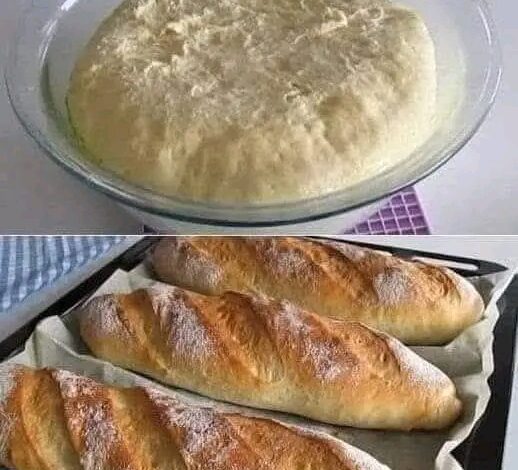
First rise: Place the dough in a lightly oiled bowl, cover with a clean towel or plastic wrap, and let it rise in a warm spot for 1–2 hours or until doubled in size.
Shape the loaf: Punch down the dough and shape it into a loaf or rounds. Place on a greased or parchment-lined baking sheet or in a loaf pan.
Second rise: Cover again and let rise for 30–45 minutes until slightly puffy.
Preheat the oven: Preheat your oven to 375°F (190°C).
Bake: Bake for 30–35 minutes until golden brown and hollow-sounding when tapped on the bottom.
Cool: Remove from the oven and let cool on a wire rack for at least 20 minutes before slicing.
Origin
Bread is one of the oldest prepared foods in human history, dating back over 10,000 years to the earliest civilizations of Mesopotamia and Ancient Egypt. Yeast-leavened bread became widespread as baking techniques evolved, spreading across Europe and eventually around the world.
Cultural Significance
Bread is a universal symbol of sustenance and hospitality. In many cultures, it represents community, sharing, and the fruits of patience and care. Making your own bread connects you to centuries of tradition and provides a tangible, satisfying reward.
Description
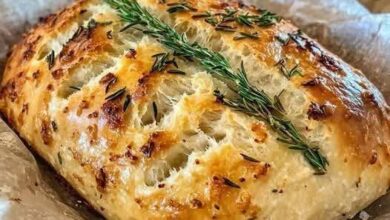
This homemade bread has a golden, crusty exterior with a soft, airy interior. Its flavor is subtly nutty and rich, with the gentle fragrance of olive oil. The crumb is tender yet chewy, making it perfect for sandwiches, toasts, or simply enjoying with butter and jam.
Optional Additions
Mix in 1 cup of whole wheat flour for a nuttier flavor
Fold in olives, sun-dried tomatoes, or caramelized onions
Sprinkle seeds or oats on top before baking for extra texture
Tips for Success
Make sure the water is warm but not hot, as temperatures above 120°F (49°C) can kill the yeast.
Allow the dough to rise in a warm, draft-free environment for best results.
Use a kitchen scale for precise flour measurement.
Don’t rush the kneading process; it develops gluten, giving bread its structure.
Nutritional Information (per serving, approx. 1 slice)
Calories: 180 kcal
Carbohydrates: 30 g
Protein: 5 g
Fat: 4 g
Fiber: 1.5 g
Sodium: 200 mg
Values may vary depending on the type of flour and additional ingredients used.
Conclusion
Making bread at home is not just a culinary activity—it’s a journey of patience, mindfulness, and reward. Once you taste your first loaf, you’ll understand why homemade bread is incomparable to store-bought.
Recommendation
Serve warm with olive oil, butter, or fresh spreads. Pair it with soups, salads, or cheese for a wholesome meal.
Embracing Healthful Indulgence
This bread recipe proves that indulgence can be healthful. With simple ingredients and no preservatives, you’re choosing wholesome nutrition while enjoying the comforting satisfaction of freshly baked bread.
If you want, I can also create a visually appealing, printable recipe card with all this info, so it’s ready for your kitchen counter.
Do you want me to do that