Pickled Beets Recipe
Introduction
Pickled beets are a vibrant, tangy, and slightly sweet classic that generations have enjoyed. Their deep ruby color, gentle acidity, and subtle warm spices make them a refreshing side dish that brightens any meal. Whether piled onto salads, tucked into sandwiches, or served as a stand-alone treat, pickled beets offer a uniquely satisfying bite that is both nostalgic and wholesome. Many people recall their mothers or grandmothers preparing jars of these jewel-like vegetables—simple, humble, and absolutely comforting.
Ingredients & Quantities
For about 3 pints (or 6 cups) of pickled beets:
For the Beets
2 lbs fresh beets
Water (for boiling)
For the Pickling Brine
1 cup white vinegar
1 cup apple cider vinegar
1 cup water
¾ cup granulated sugar
1 tsp salt
½ tsp whole cloves (optional but traditional)
½ tsp whole allspice (optional)
1 cinnamon stick
1 small onion, thinly sliced (optional but adds depth)
Instructions
1. Prepare the Beets
1. Trim beet tops, leaving about 1 inch of stem to reduce bleeding.
2. Rinse thoroughly to remove dirt.
3. Place beets in a large pot, cover with water, and bring to a boil.
4. Reduce heat and simmer 30–45 minutes, until tender when pierced.
5. Drain and let cool.
6. Slip off the skins using your hands or a paper towel.
7. Slice into rounds or wedges.
2. Make the Brine
1. In a saucepan, combine white vinegar, apple cider vinegar, water, sugar, salt, cloves, allspice, and cinnamon stick.
2. Add sliced onion if using.
3. Bring the mixture to a boil, then reduce heat and simmer 5 minutes to meld the flavors.
3. Combine
1. Pack the sliced beets into clean glass jars.
2. Pour the hot brine over the beets, ensuring they are fully submerged.
3. Let cool to room temperature.
4. Seal and refrigerate.
5. Allow at least 24 hours for flavors to develop—3 days is ideal.
Origin
Pickled beets have roots in Eastern Europe, where pickling was essential for preserving vegetables through harsh winters. Immigrants brought the practice to the United States during the 19th and early 20th centuries, and the dish quickly integrated into traditional American farm and homestead cooking. Home canning became especially popular during the Great Depression and later during wartime rationing, making pickled beets a staple in many households, especially in rural areas.
Cultural Significance
For many families, pickled beets evoke memories of grandmother’s kitchens, backyard gardens, and shelves full of colorful home-canned goods. They symbolize self-reliance, seasonality, and the comforting traditions of home cooking. In several cultures—especially Polish, German, Scandinavian, and Southern American households—pickled beets often appear at holiday tables, potlucks, and Sunday dinners. They represent the blending of practicality and flavor: turning a hardy root vegetable into something bright, flavorful, and festive.
Description
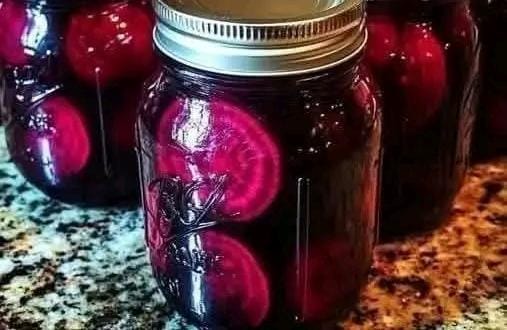
Pickled beets shine with their vivid ruby hue and glossy finish. The flavor is a balance of earthy sweetness from the beets, bright tang from vinegar, and aromatic warmth from spices. Their texture is tender but firm, offering a satisfying bite. They add color, nutrients, and a refreshing zing to both cold and warm dishes.
Optional Additions
Orange zest or orange slices — adds citrus brightness
Fresh dill — for a more herbal profile
Garlic cloves — adds punchy depth
Peppercorns — for subtle heat
Bay leaf — earthier, savory notes
Honey or brown sugar — replaces white sugar for richer sweetness
Tips for Success
Choose small to medium beets: they are sweeter, more tender, and cook evenly.
Don’t overcook: overly soft beets can fall apart in the brine.
Let them rest: flavor improves dramatically after a few days.
Use glass jars only: vinegar can react with some metals.
Sterilize jars if storing long-term: refrigerator pickles do not require full canning, but shelf-stable ones do.
Nutritional Information (Approx. per ½ cup)
Calories: 70–90
Carbohydrates: 18–20g
Sugar: 14–16g
Fiber: 2–3g
Protein: 1–2g
Fat: 0g
Vitamins: High in folate, manganese, potassium, vitamin C
Benefits: Supports heart health, high antioxidants, anti-inflammatory properties
Conclusion
Pickled beets are a timeless recipe that bridges generations and brings warmth to any table. Their bold color, complex flavor, and nutritional richness make them a side dish that is as beautiful as it is nourishing. Whether made for tradition, for nostalgia, or simply for enjoyment, they remain a delightful staple.
Recommendation
Try making a double batch—you’ll be surprised how quickly they disappear. Enjoy them on salads, grain bowls, sandwiches, or simply straight from the jar. They also make a thoughtful homemade gift for family and friends.
Embracing Healthful Indulgence
Pickled beets are a perfect example of how wholesome eating doesn’t have to be bland or restrictive. They combine natural sweetness, earthy richness, and vibrant acidity in a way that feels indulgent while still supporting overall health. Embrace them as a flavorful reminder that simple, traditional foods can nourish both body and soul.