Southern Fried Catfish Recipe
Introduction
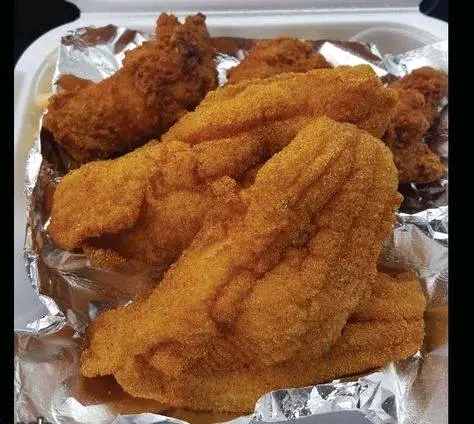
Southern Fried Catfish is a beloved comfort dish rooted in the culinary traditions of the American South. With its crispy golden crust and tender, flaky interior, this recipe showcases simple pantry ingredients transformed into a flavorful, satisfying meal. Whether served at a family gathering, fish fry, or Sunday dinner, fried catfish remains a symbol of Southern hospitality and tradition.
Description
Southern Fried Catfish features fresh catfish fillets coated in a seasoned cornmeal crust and fried to crispy perfection in hot peanut oil. The outside becomes golden and crunchy, while the inside stays moist and flaky. It’s often served with classic sides like coleslaw, hush puppies, tartar sauce, or collard greens.
Ingredients Quantity
1 quart peanut oil (for frying)
1 cup stone-ground fine cornmeal
1 cup all-purpose flour
1 teaspoon seafood seasoning (recommended: Old Bay Seasoning)
1/2 teaspoon kosher salt
4–6 catfish fillets (about 1½–2 pounds)
1 cup buttermilk (optional, for soaking)
1 teaspoon black pepper (optional)
Instructions
Prepare the Oil:
Pour peanut oil into a large cast-iron skillet or deep fryer. Heat to 350°F (175°C).
Prepare the Fish:
Rinse catfish fillets and pat dry with paper towels. If desired, soak in buttermilk for 30–60 minutes to tenderize and reduce any muddy flavor. Drain well.
Mix the Coating:
In a shallow dish, combine cornmeal, flour, seafood seasoning, kosher salt, and black pepper.
Dredge the Fillets:
Coat each fillet thoroughly in the cornmeal mixture, pressing lightly so the coating adheres evenly.
Fry the Fish:
Carefully place fillets into the hot oil. Fry 3–5 minutes per side, or until golden brown and internal temperature reaches 145°F (63°C).
Drain:
Remove fish and place on a wire rack or paper towels to drain excess oil.
Serve Hot:
Enjoy immediately with lemon wedges and your favorite Southern sides.
Origin and Cultural Significance
Southern Fried Catfish has deep roots in the cuisine of the Southern United States, particularly along the Mississippi River Delta and in states like Mississippi, Alabama, and Louisiana. Catfish farming expanded significantly in the 20th century, especially in Mississippi, which became a leading producer. Community fish fries became social gatherings, church events, and celebrations of local culture. The dish reflects a blend of Native American cooking techniques, African American culinary traditions, and Southern agricultural heritage.
Optional Additions
Add cayenne pepper for heat
Mix in garlic powder or paprika for deeper flavor
Serve with homemade tartar sauce
Add hot sauce to buttermilk marinade
Sprinkle fresh parsley or squeeze fresh lemon juice before serving
Tips for Success
Maintain oil temperature at 350°F for a crisp, non-greasy crust.
Do not overcrowd the pan; fry in batches if needed.
Use fresh catfish for best flavor and texture.
Let coated fillets rest 5–10 minutes before frying to help the crust adhere.
Use a thermometer for accuracy.
Nutritional Information (Approximate per serving)
Calories: 400–500
Protein: 30–35g
Fat: 25–30g
Carbohydrates: 20–30g
Sodium: 500–700mg
Values vary depending on oil absorption and portion size.
Embracing Healthful Indulgence
While fried foods are traditionally indulgent, balance is key. Pair your catfish with fresh vegetables, baked sweet potatoes, or a light salad to create a well-rounded meal. You can also air-fry or shallow-fry with less oil for a lighter alternative while still maintaining crispness.
Conclusion
Southern Fried Catfish is more than a meal—it’s a tradition passed through generations. With its crispy coating and tender interior, it captures the spirit of Southern comfort cooking in every bite.
Recommendation
For the most authentic experience, serve alongside hush puppies, coleslaw, and sweet iced tea. Whether you’re hosting a fish fry or preparing a cozy family dinner, this recipe delivers classic Southern flavor that never goes out of style.