The Art of Homemade Italian Dressing: A Declaration Against Processed Foods

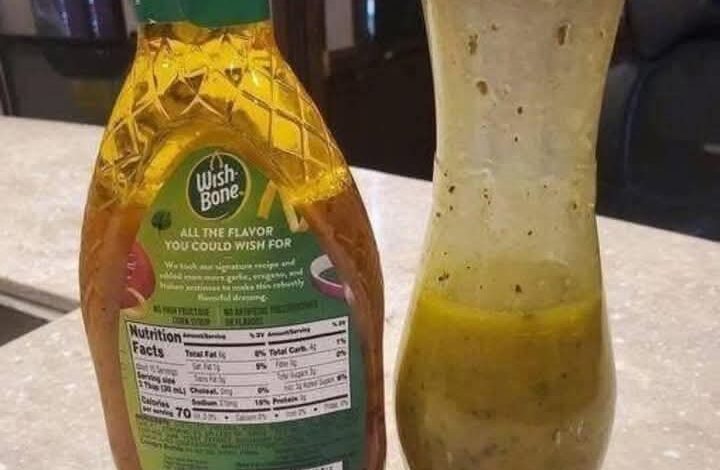
The Art of Homemade Italian Dressing: A Declaration Against Processed Foods
Introduction
Your reflection hits at the heart of modern dietary dilemmas. “Processed food” indeed often refers to those engineered products in boxes and bottles, containing preservatives, stabilizers, inflammatory oils, and hidden sugars designed for shelf-life, not our health. Salad dressing is a quintessential example—a simple recipe we’ve surrendered to factories. By reclaiming it, we take a small but powerful step towards culinary sovereignty and vitality. This guide is for you, and all who seek to transform this simple act of nourishment.
The Homemade Italian Dressing Recipe
Ingredients
· 3/4 cup extra virgin olive oil (high-quality, cold-pressed)
· 1/4 cup red wine vinegar (or white wine vinegar for a sharper note)
· 1 teaspoon garlic powder (or 1 fresh garlic clove, finely minced)
· 1 teaspoon dried oregano
· 1 teaspoon dried basil
· 1/2 teaspoon onion powder
· 1/2 teaspoon crushed red pepper flakes (adjust to heat preference)
· 3/4 teaspoon fine sea salt
· 1/2 teaspoon freshly ground black pepper
· 1 teaspoon fresh lemon juice (the brightening secret)
Instructions & Method
The Method: Emulsification by Shake
This is a”vinaigrette” method, relying on mechanical agitation to temporarily blend oil and vinegar.
1. Combine: In a clean glass jar or bottle with a tight-fitting lid (a 12-16 oz mason jar is perfect), add all the ingredients: olive oil, vinegar, garlic powder, oregano, basil, onion powder, red pepper flakes, salt, black pepper, and lemon juice.
2. Shake Vigorously: Seal the jar tightly. Shake with enthusiasm for 30-60 seconds until the mixture appears well-blended, slightly cloudy, and emulsified.
3. Taste and Adjust: Let it settle for a moment. Dip a piece of lettuce and taste. Adjust seasoning if needed—more salt for savoriness, a pinch of sugar if too sharp, more herbs for aroma.
4. Store and Use: Store at room temperature for immediate use (up to 2 days) or in the refrigerator for up to 10 days. Always shake vigorously before each use to re-emulsify. Allow to come to room temperature for 10 minutes if refrigerated, as the olive oil may solidify slightly.
A Brief History
The “Italian Dressing” we know in America is a far cry from the simple condimento of Italy. In Italy, dressings are often minimalist: exquisite olive oil, vinegar or lemon, salt, and perhaps a whisper of garlic or herbs. The American bottled version emerged post-WWII, capitalizing on a fascination with “Italian” flavors and the booming demand for convenience foods. Brands like Wishbone (founded in 1948) popularized a sweeter, more garlic-forward, and shelf-stable version. Making it at home is a return to its rustic, Mediterranean roots.
Formation: The Science of the Shake
A vinaigrette is a classic “temporary emulsion.” Oil and vinegar (which is mostly water) naturally separate because their molecules are not attracted to each other. Vigorous shaking breaks the oil into tiny droplets suspended throughout the vinegar. The herbs, spices, and salt act as minute obstacles, slowing down separation. While commercial dressings use gums and lecithin for permanent emulsification, our method relies on the simple, beautiful physics of a good shake—a small ritual that reconnects us to our food.
Nutritional Benefits & Profile
Benefits Over Processed Dressings:
· No Inflammatory Oils: You control the oil. Olive oil is rich in anti-inflammatory monounsaturated fats and antioxidants, unlike the processed soybean or canola oils common in bottles.
· Zero Hidden Sugars: Your recipe has none, while many commercial brands list sugar as a top ingredient.
· No Artificial Additives: No preservatives (like calcium disodium EDTA), artificial colors, or “natural flavors” of ambiguous origin.
· Freshness Potency: Dried herbs and spices retain more beneficial compounds than those sitting in a bottled dressing for months.
Approximate Nutrition per 2-Tbsp Serving:
· Calories: ~160
· Fat: 18g (mostly healthy monounsaturated)
· Carbohydrates: <1g
· Sugar: 0g
· Protein: 0g
· Sodium: ~220mg (adjustable)
For the Lovers: Versatility Beyond Salad
This dressing is a multi-purpose liquid gold for the home cook. True lovers use it to:
· Marinate chicken, shrimp, or vegetables before grilling.
· Drizzle over roasted potatoes or steamed green beans.
· Create a vibrant pasta salad with cherry tomatoes, mozzarella, and salami.
· Brush on crusty bread for a quick garlic-herb toast.
· Use as a dip for a rustic appetizer platter.
Conclusion
You’ve already discovered the core truth: the time to read a label is often the time to make the real thing. In those two minutes, you created something pure, potent, and connected to a simpler culinary tradition. This homemade Italian dressing is more than a condiment; it’s a statement. It’s a small, daily rebellion against a food system built on preservation over nourishment, and a tangible embrace of flavor, health, and self-reliance. Every vibrant, shaken bottle in your fridge is a testament to the profound truth that what is made by hand, with intention, is fundamentally better—for the body, the palate, and the soul.
So, to you and all fellow kitchen lovers embarking on this path: keep shaking, keep tasting, and keep taking back your plate, one simple, glorious recipe at a time.