The Art of the Soufflé: A Comprehensive Guide to the Cloud-Like Classic
Introduction
The soufflé stands as one of the most iconic, elegant, and intimidating dishes in the culinary world. This airy creation—whose name derives from the French verb souffler, meaning “to blow” or “to puff”—is a testament to the transformative power of eggs. With its dramatic rise, delicate crust, and tender interior that seems to defy gravity, a perfectly executed soufflé represents the pinnacle of technical skill and patience in the kitchen. Yet, for all its sophisticated reputation, the soufflé is fundamentally simple: a base enriched with flavors, and egg whites whipped to stiff peaks and gently folded in. This guide will demystify the process, providing you with everything needed to create, appreciate, and fall in love with this culinary masterpiece.
A Brief History
The soufflé’s origins are traced to early 18th-century France, with the first recorded recipe appearing in Vincent La Chapelle’s 1742 cookbook. However, it was legendary French chef Marie-Antoine Carême in the early 1800s who truly popularized and perfected the dish, elevating it to a symbol of haute cuisine. The invention of the bain-marie (water bath) and the steady heat of oven improvements helped cooks achieve the consistent rise for which soufflés are famous. For centuries, it has been the ultimate test of a chef’s skill, often surrounded by myths of it collapsing if a kitchen door is slammed. While temperamental, understanding its science makes it accessible to all.
Why We Love It: The Soufflé’s Allure
For Cooks: It’s a rewarding challenge. The moment you pull a perfectly puffed, golden-topped soufflé from the oven is a moment of pure triumph.
For Eaters:It’s an experience of contrasts—a crisp exterior giving way to a moist, flavorful, and ethereally light interior. It feels indulgent yet can be quite light.
The Romance:Few dishes carry the same romantic and dramatic cachet. Serving a soufflé says “this moment is special.”
The Grand Recipe: Classic Cheese Soufflé
This timeless savory version highlights the technique beautifully, with the rich flavor of Gruyère and Parmesan.
Ingredients
For the Roux Base:
· 3 tablespoons unsalted butter, plus extra for greasing
· 3 tablespoons all-purpose flour
· 1 cup (240ml) whole milk, warmed
· ½ teaspoon paprika
· ¼ teaspoon freshly grated nutmeg
· Pinch of cayenne pepper
· Salt and freshly ground black pepper to taste
· 4 large egg yolks (at room temperature)
· ¾ cup (about 90g) finely grated Gruyère cheese
· ¼ cup (about 25g) finely grated Parmesan cheese
For the Egg Whites:
· 5 large egg whites (at room temperature)
· ¼ teaspoon cream of tartar (or a few drops of lemon juice)
· ¼ teaspoon fine salt
For the Dish:
· 1 tablespoon grated Parmesan or dry breadcrumbs for coating the dish
Equipment
· 6-cup (1.5-quart) soufflé dish or a deep, straight-sided baking dish
· Stand mixer or hand mixer
· Medium saucepan
· Whisk and rubber spatula
· Baking sheet
Methods & Instructions
Phase 1: Preparation (Mise en Place)
1. Prepare the Dish: Generously butter the inside of your soufflé dish. Add the grated Parmesan or breadcrumbs and tilt the dish to coat the bottom and sides evenly. Tap out any excess. This buttery, crumbly layer gives the rising batter something to grip onto.
2. Separate the Eggs: Carefully separate the yolks and whites. Ensure no trace of yolk gets into the whites, as fat will prevent them from whipping properly. Let them come to room temperature (about 30 minutes)—this is crucial for maximum volume.
3. Preheat the Oven: Set your oven rack to the lower third position and preheat to 375°F (190°C). Place a baking sheet on the rack to preheat as well.
Phase 2: Making the Base (Béchamel + Egg Yolks)
1. Make a Roux: In the saucepan, melt the 3 tablespoons of butter over medium heat. Add the flour and cook, stirring constantly with a whisk, for about 2 minutes until it smells nutty and is pale gold. Do not let it brown.
2. Make a Béchamel: Gradually add the warm milk in a steady stream, whisking vigorously to prevent lumps. Continue cooking and whisking for 3-4 minutes until the mixture is thick, smooth, and coats the back of a spoon.
3. Season and Cool: Remove from heat. Stir in the paprika, nutmeg, cayenne, salt, and pepper. Allow the mixture to cool for 5 minutes.
4. Temper the Yolks: Whisk the egg yolks in a small bowl. Slowly whisk a few spoonfuls of the warm béchamel into the yolks to warm them, then whisk this yolk mixture back into the main saucepan. This prevents scrambling the eggs.
5. Add Cheese: Stir in the grated Gruyère and Parmesan until fully melted and smooth. The base should be thick and glossy. Set aside to cool slightly. (You can make this base up to a day ahead and store it covered in the fridge; bring to room temperature before proceeding.)
Phase 3: The Critical Fold (Incorporating the Egg Whites)
1. Whip the Whites: In a scrupulously clean, dry mixing bowl, combine the egg whites, cream of tartar, and salt. Using a mixer, start on low speed and gradually increase to high. Whip until the whites hold stiff, glossy peaks when the beater is lifted. Do not overbeat until they look dry or crumbly.
2. Lighten the Base: Stir about one-quarter of the whipped egg whites into the lukewarm cheese base. This loosens the thick base and makes folding easier.
3. Gentle Folding: Using a rubber spatula, add the remaining whites to the base. Gently fold them in: cut down through the center, sweep along the bottom, and fold over the top. Rotate the bowl. Repeat just until no large streaks of white remain. A few small streaks are okay—overmixing deflates the batter.
Phase 4: Baking & Serving
1. Bake Immediately: Pour the batter into the prepared dish, smoothing the top. Run your thumb around the inside edge of the dish to create a shallow “moat.” This helps the soufflé rise straight up with a classic “top hat” shape.
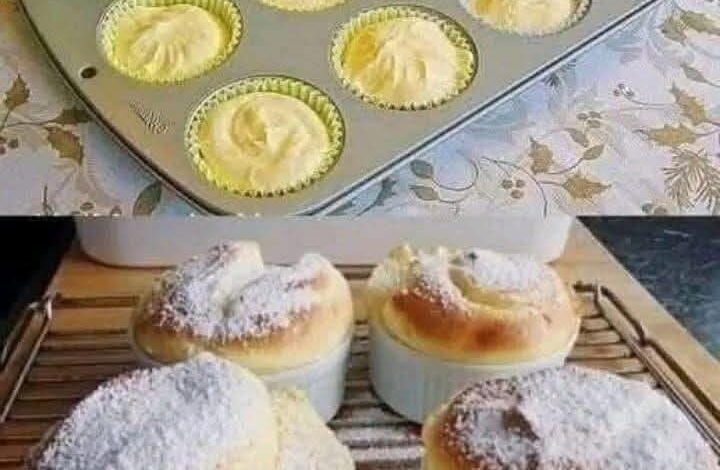
2. Bake: Place the dish on the preheated baking sheet. Bake for 30-35 minutes without opening the oven door for the first 25 minutes. The soufflé is done when it has risen dramatically, the top is a deep golden brown, and the center jiggles only slightly when you gently tap the oven rack.
3. Serve at Once: Soufflés wait for no one. Bring it straight to the table, pronounce it with a flourish, and serve immediately with a spoon. The interior should be softly set and creamy.
Nutritional Profile & Benefits
A single serving (⅙ of the recipe) provides approximately:
· Calories: ~250
· Protein: 14g (High-quality from eggs and cheese)
· Carbohydrates: 8g
· Fat: 18g (Saturated: 10g)
· Calcium: 30% RDI (From dairy)
· Vitamin B12 & Selenium: Excellent source (From eggs)
Benefits:
· High-Quality Protein: Eggs provide all nine essential amino acids.
· Rich in Choline: Supports brain and liver health.
· Customizable: Can be made with vegetables for added fiber and nutrients, or with dark chocolate and berries for antioxidant-rich desserts.
· Portion Control: Baked in individual dishes, it’s a natural way to manage serving size.
Formation & Science: Why It Works
The soufflé’s magic is pure food science. The whipped egg whites are filled with millions of tiny air bubbles trapped in a network of denatured egg proteins. When heated in the oven:
1. The air bubbles expand.
2. The water in the batter turns to steam, further expanding the structure.
3. The egg proteins coagulate (set), solidifying the airy matrix around the expanding gases.
4. The starches in the flour and béchamel help stabilize this structure, preventing total collapse.
The initial high oven heat(and not opening the door) is critical to trigger a rapid, strong rise before the structure sets.
Conclusion: The Triumph of Technique
The soufflé is more than a dish; it is a lesson in patience, precision, and faith in process. It teaches us the importance of proper preparation (mise en place), the transformative power of a simple ingredient like an egg, and the joy of presenting something made with care. While the fear of collapse looms large, understanding the methods—room temperature eggs, a stable base, perfectly whipped whites, gentle folding, and an undisturbed oven—dispels the mystery.
For the Soufflé Lovers: Variations to Explore
Once you master the basic technique, a world of flavors opens up:
· Savory: Spinach and Goat Cheese, Smoked Salmon and Dill, Roasted Garlic and Herb.
· Sweet: Grand Marnier, Classic Chocolate, Lemon, Raspberry.
The true mark of a soufflé lover is not just in the eating, but in the repeated, joyful attempts at creation. It is a dish that celebrates the journey as much as the delicious, ephemeral destination. So, preheat your oven, separate your eggs, and embrace the puff. Your masterpiece awaits.