🥩 The Complete Guide to Ribeye Steak: History, Nutrition & Perfect Cooking
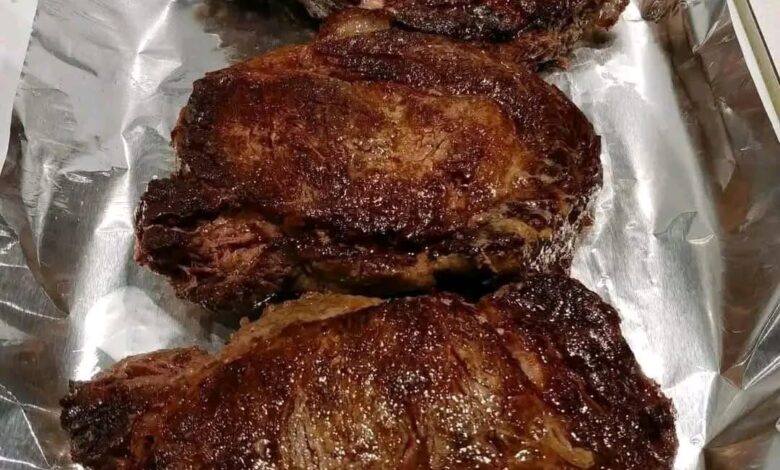
Ribeye steak is celebrated by chefs and home cooks worldwide for its unmatched combination of tenderness and rich, beefy flavor. This prized cut owes its luxurious texture and taste to generous marbling—the intricate webs of fat that melt during cooking, basting the meat from within. Mastering the ribeye not only elevates a meal but connects you to a culinary tradition that spans continents and centuries.
📜 History and Names: A Cut by Any Other Name
The ribeye’s history is as rich as its flavor, marked by various names that hint at its journey:
· Origin of the Name: The name “ribeye” likely comes from its location in the centermost part (“the eye”) of the cow’s rib section.
· A Famous Alias: In the mid-19th century, the famous Delmonico’s restaurant in New York City popularized the cut under its own name, the Delmonico steak.
· Global Names: This single cut is known by many names around the world:
· Australia & New Zealand: “Scotch fillet” (boneless)
· France: “Entrecôte”
· Argentina: “Ojo de bife”
· United States (West Coast): “Market steak” or “Spencer steak”
· Specialty Cuts: When served with a long, frenched rib bone attached, it’s dramatically called a Tomahawk steak. With a shorter bone, it’s often called a Cowboy ribeye.
🔪 Formation: Where the Magic Comes From
Understanding the ribeye’s structure explains why it’s so special.
· Location on the Cow: The ribeye is cut from the upper rib cage, specifically from ribs six through twelve. This area is lightly worked, resulting in tender meat.
· Muscle Composition: It’s primarily composed of three muscles:
1. The “Eye” (Longissimus Dorsi): The large, central core.
2. The “Cap” (Spinalis): A highly prized, exceptionally tender and flavorful muscle that wraps around the eye.
3. The Complexus: A smaller muscle, sometimes trimmed by butchers.
· The Marbling Effect: The fat in this primal cut is interspersed within the muscle (marbling), not just around the edges. This internal fat is key to its juicy flavor.
🥗 Nutrition and Health Benefits
A 3-ounce (85g) serving of cooked ribeye is a nutrient-dense choice. Here is a breakdown of its key nutritional components and their benefits.
Primary Nutritional Profile (per 3oz cooked serving)
· Calories: ~190-250 kcal
· Protein: ~22-23 g
· Total Fat: ~10-20 g
· Saturated Fat: ~4-9 g
Key Vitamins & Minerals
· Vitamin B12
· Amount: ~1.9-2.4 mcg
· Role & Benefit: Essential for nerve function and red blood cell formation.
· Zinc
· Amount: ~5-6.5 mg
· Role & Benefit: Crucial for immune function and wound healing.
· Iron (Heme)
· Amount: ~2.2-2.5 mg
· Role & Benefit: Highly absorbable form that helps prevent anemia.
· Selenium
· Amount: ~28 mcg
· Role & Benefit: Important for metabolism and thyroid function.
Health Considerations
· Benefits: Ribeye is an excellent source of complete protein for muscle maintenance and promotes satiety. Grass-fed varieties may offer higher levels of beneficial omega-3 fatty acids.
· Considerations: Due to its saturated fat content, moderation is advised, especially for individuals monitoring cholesterol. Portion control (a 3-4 oz serving) and pairing with vegetables are recommended for a balanced meal.
👨🍳 The Ultimate Ribeye Recipe: Pan-Seared Perfection
This master recipe uses the pan-searing method to create a spectacular crust and juicy interior.
Ingredients
· 1 Ribeye Steak, 1 to 1.5 inches thick (about 12-16 oz)
· Kosher Salt & Freshly Ground Black Pepper
· 1 tbsp High Smoke Point Oil (avocado, canola, or grapeseed oil)
· 2 tbsp Unsalted Butter
· 2-4 Garlic Cloves, lightly crushed
· 1-2 sprigs Fresh Rosemary or Thyme (optional)
Equipment
· Cast iron or heavy-bottomed stainless steel skillet
· Tongs
· Meat thermometer (highly recommended)
· Plate for resting
Step-by-Step Instructions
1. Prepare the Steak
· Remove the steak from the refrigerator at least 30-45 minutes before cooking. Letting it come to room temperature ensures even cooking.
· Just before cooking, pat it completely dry with paper towels. This is crucial for a good sear.
· Season generously on all sides with salt and pepper.
2. Sear the Steak
· Heat your skillet over medium-high heat until very hot.
· Add the oil. Once it shimmers, carefully place the steak in the pan.
· For a thicker steak, use tongs to sear the fatty edge (fat cap) for 30-60 seconds to render the fat.
· Let the steak cook undisturbed for 2-4 minutes to form a deep brown crust. Do not press down on it.
3. Flip, Baste, and Finish
· Flip the steak. Add butter, garlic, and herbs to the pan.
· As the butter melts, tilt the pan and continuously spoon the foaming butter over the steak for 1-2 minutes.
· For medium-rare, cook until the internal temperature reaches 125-130°F (52-54°C). Use a meat thermometer for accuracy.
4. Rest and Serve
· Transfer the steak to a plate or board. Let it rest for at least 5-10 minutes to allow juices to redistribute.
· Slice against the grain and serve immediately.
Doneness Temperature Guide
· Rare: 120-125°F (49-52°C)
· Medium-Rare: 125-130°F (52-54°C)
· Medium: 135-145°F (57-63°C)
· Medium-Well: 145-155°F (63-68°C)
· Well Done: 160°F+ (71°C+)
⚠️ Note: Temperatures are before resting. The internal temperature will rise by 5-10°F (3-6°C) during the rest.
Alternative Cooking Methods
· On the Grill: Preheat grill to medium-high (about 375°F). Grill for 5-7 minutes per side for medium-rare.
· Oven & Pan (Reverse Sear): Perfect for very thick cuts. Season and slowly roast in a 250°F oven until 15°F below target temp. Then, sear in a blazing hot skillet for 1 minute per side.
🍷 For the Steak Lovers: Serving and Pairing
A perfect ribeye deserves the perfect accompaniments.
· Classic Pairings: You can’t go wrong with creamy mashed potatoes, roasted asparagus, or a crisp wedge salad.
· Wine Pairing: The rich fat and flavor of a ribeye stand up beautifully to full-bodied red wines. A Cabernet Sauvignon or Malbec is an ideal choice.
· Elevate the Experience: Top your steak with a pat of herb compound butter or serve it with a zesty chimichurri sauce for a fresh contrast.
💎 Conclusion: More Than Just a Meal
Cooking the perfect ribeye steak is a rewarding culinary skill that blends science, technique, and tradition. From its storied history as a Delmonico steak to its impressive nutritional profile packed with protein and essential vitamins, the ribeye is a cut worthy of celebration.
By selecting a well-marbled steak, mastering the sear, and allowing it to rest, you can consistently create restaurant-quality meals at home. Whether it’s for a weeknight treat or a special occasion, a perfectly cooked ribeye promises a deeply satisfying and memorable dining experience.
I hope this guide inspires you to fire up the stove or grill. What’s your favorite way to enjoy a ribeye? Do you prefer it simply with salt and pepper, or with a signature sauce?