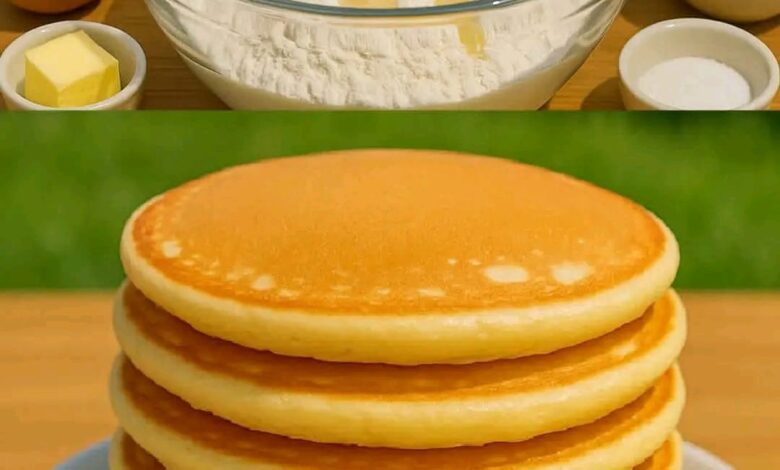
Here is a comprehensive guide to creating the fluffiest pancakes, complete with all the sections you’ve requested.
The Quintessential Fluffy Pancake Recipe: A Pillow of Morning Joy
Introduction
There are few breakfast experiences more comforting than a stack of warm, fluffy pancakes, dripping with maple syrup and melted butter. These golden-brown discs are more than just a meal; they are a weekend ritual, a symbol of leisurely mornings, and a canvas for both sweet and savory creativity. This recipe is your passport to achieving pancake perfection at home. We will move beyond the flat, dense discs of the past and into the realm of ethereally light, sky-high pancakes that are crisp on the edges and impossibly tender in the center. Prepare to elevate your breakfast game with this foolproof guide.
History
The history of the pancake is as old as cooking itself, with variations existing in nearly every culture around the globe. The ancient Greeks and Romans ate sweetened pancakes made with wheat flour, olive oil, honey, and curdled milk. The word “pancake” itself appeared in English during the 15th century. The modern, fluffy American pancake we know and love today evolved from these early versions, with the widespread availability of chemical leaveners like baking powder in the 19th century being the key innovation. This allowed cooks to create the tall, airy stacks we crave, transforming a simple flat cake into a pillowy delight. Shrove Tuesday, or Pancake Day, remains a significant tradition in many countries, a final feast of rich ingredients before the fasting period of Lent.
Formation (The Science of Fluff)
The magic of a fluffy pancake lies in a delicate chemical reaction. The primary leavening agent here is baking powder, which is a double-acting compound. This means it creates gas bubbles in two stages:
1. When it gets wet: An initial reaction occurs as soon as the baking powder is mixed with the liquid ingredients.
2. When it gets hot: A more powerful reaction happens when the batter hits the hot griddle.
These carbon dioxide bubbles are trapped within the structure of the batter, which is strengthened by the gluten formed from the flour and liquid. However, too much gluten development (from overmixing) will make the pancake tough and chewy. The goal is to mix just until the ingredients are combined, leaving the batter gloriously lumpy. This ensures a tender crumb with enough structure to hold the precious air bubbles. The melted butter adds tenderness by coating some of the flour proteins and inhibiting gluten formation, while the egg provides additional structure and richness.
Ingredients
· 1 ½ cups (190g) all-purpose flour: The structural base.
· 3 ½ teaspoons baking powder: The crucial leavening agent for maximum lift.
· 1 teaspoon salt: Enhances flavor and balances the sweetness.
· 2 ½ tablespoons (30g) granulated sugar: Adds sweetness and aids in browning.
· 1 ¼ cups (300ml) fresh milk (any type): Provides moisture. Buttermilk is a fantastic substitute for extra tang and tenderness.
· 1 large egg: Binds ingredients and adds structure.
· 3 tablespoons (42g) melted butter (plus extra for the pan): Adds richness, flavor, and tenderness.
Instructions (Methods)
Follow these steps for guaranteed fluffy success.
1. Prepare the Dry Ingredients: In a large bowl, whisk together the flour, baking powder, salt, and sugar. This ensures the baking powder and salt are evenly distributed so you don’t get a bitter clump in one pancake.
2. Prepare the Wet Ingredients: In a separate medium bowl or large liquid measuring cup, whisk the egg until the yolk and white are combined. Pour in the milk and melted butter, and whisk again until well blended.
3. Combine (The Most Important Step!): Pour the wet ingredients into the well of the dry ingredients. Use a spatula or a fork to gently fold the mixture together.
· Critical Tip: Mix only until the flour is incorporated. The batter will be thick, lumpy, and look far from smooth. Do not overmix! Overmixing develops gluten, leading to tough, rubbery pancakes.
4. Rest the Batter (Optional but Recommended): Let the batter rest for 5-10 minutes while your pan heats up. This allows the gluten to relax and the starch to absorb the liquid, resulting in a more tender pancake. You might see a few bubbles form on the surface – that’s the baking powder doing its first-stage work.
5. Heat the Griddle: Place a large non-stick skillet or griddle over medium heat. Lightly grease with a little butter.
· The Water Test: To know if your pan is ready, flick a drop of water onto it. If it sizzles and evaporates immediately, it’s perfect.
6. Cook the Pancakes: For each pancake, pour about ¼ cup of batter onto the hot griddle. Let it cook undisturbed.
· The Bubble Sign: You’ll know it’s time to flip when the edges look set and bubbles form and pop on the surface, leaving small holes (about 2-3 minutes).
7. The Flip: Carefully slide a thin spatula under the pancake and flip it in one confident motion. Cook for another 1-2 minutes, until the second side is golden brown and the pancake is cooked through.
8. Serve Immediately: Transfer cooked pancakes to a plate. You can keep them warm in a 200°F (95°C) oven while you cook the remaining batter. Serve hot with your favorite toppings.
Nutrition (Approximate, per serving of 2 medium pancakes)
· Calories: 350-400
· Fat: 15g
· Carbohydrates: 50g
· Protein: 9g
· Fiber: 1g
· Sugar: 12g
(Note: This is an estimate and will vary based on specific ingredients and serving size.)
Benefits
While pancakes are a treat, this recipe offers some benefits:
· Quick Energy: Provides readily available carbohydrates, perfect for fueling a busy morning.
· Customizable: You can easily boost the nutritional profile by adding ingredients like whole wheat flour, ground flaxseed, or blueberries.
· Mood Booster: The warm, comforting nature of pancakes can be a genuine psychological boost, creating a sense of comfort and indulgence.
· Family Bonding: The simple process of making pancakes is a fantastic activity to do with children, teaching them basic cooking skills.
Lovers (Who Adores This Dish?)
· The Weekend Brunch Enthusiast: For those who see Saturday and Sunday mornings as a sacred time for a slow, delicious breakfast.
· Children of All Ages: From toddlers to grandparents, the sweet, soft texture is universally loved.
· The Comfort Food Seeker: On a cold, rainy morning, a stack of pancakes is the ultimate edible hug.
· The Adventurous Eater: This is a perfect base for experimentation—think adding chocolate chips, bananas, bacon, or even spices like cinnamon and nutmeg.
· The Minimalist: They are equally delicious with just a pat of butter, proving that simple things are often the best.
Conclusion
Mastering the fluffy pancake is a rite of passage in any home cook’s journey. It’s a simple recipe that teaches fundamental techniques—the importance of leavening, the danger of overmixing, and the patience required to wait for the perfect bubble. But more than that, it’s a recipe that delivers joy. With its golden-brown exterior, its impossibly light and airy interior, and its ability to be a blank slate for a thousand different toppings, this pancake recipe is destined to become a cherished favorite in your home. So, gather your ingredients, heat up your griddle, and get ready to create a stack of happiness.
Lovers (Repeat)
Just to reiterate, this dish is adored by:
· The Purist: Who loves them simply with butter and a drizzle of maple syrup.
· The Fruity Fanatic: Who loads them with fresh berries, sliced bananas, and a dusting of powdered sugar.
· The Decadent Diner: Who isn’t afraid to add chocolate chips, whipped cream, and a drizzle of caramel or Nutella.