The Ultimate Guide to Creamy Custard French Toast: A Culinary Masterpiece
Introduction
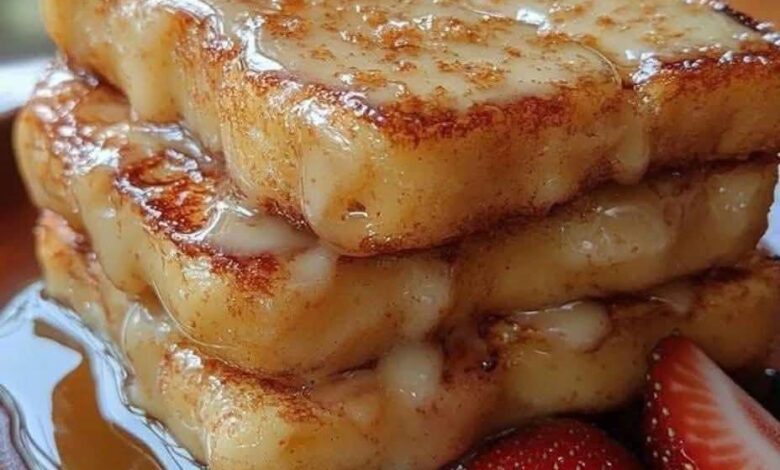
Few breakfast dishes offer the sublime combination of comfort and elegance found in Creamy Custard French Toast. This isn’t just fried bread in egg; it’s a transformative dish where humble ingredients meld into something luxurious and deeply satisfying. The magic lies in the creation of a true, rich custard that soaks into the bread, baking within to create a soft, creamy interior while the exterior crisps to a perfect, golden-brown finish. This guide will take you through everything from its humble origins to advanced cooking techniques, empowering you to create the ultimate version of this beloved classic.
Historical Roots & Cultural Journey
French toast is a testament to global culinary ingenuity, a dish born from the universal need to avoid waste. Its story spans centuries and continents:
· Ancient Origins: The earliest recorded recipe dates back to the Roman Empire in the 4th or 5th century AD, where it was known as “Pan Dulcis.” A similar recipe appears in the Apicius, a Roman cookbook, calling for bread soaked in milk and beaten egg, then fried in oil and served with honey.
· Medieval Europe: The dish was a staple across medieval Europe, known by names like “Poor Knights” in England and Germany. It was a practical way for cooks to utilize stale, day-old bread, transforming it into a nourishing and delicious meal for both humble households and royal courts.
· Arrival in America: French toast came to the New World with early settlers. The name “French Toast” first appeared in print in the United States in 1871. Its evolution continued, leading to the rich, custard-based versions we adore today, which bear little resemblance to the simple, eggy dishes of the past.
Core Principles & Formation
At its heart, perfect French toast is a study in contrasting textures, achieved through proper ingredient selection and technique.
The “Custard” Principle:
Traditional French toast often uses a simple egg-and-milk mixture. The Custard-Style elevates this by creating a balanced, dairy-rich bath. The eggs provide structure, the fat from milk, cream, or evaporated milk delivers richness and a tender crumb, and sugar encourages caramelization. The goal is to soak the bread thoroughly, allowing the custard to cook inside the bread, not just coat it.
The “Bread” Principle:
The bread is the structural foundation. The nearly universal rule for the best texture is to use dry, day-old, or slightly stale bread. Fresh bread has too much moisture, which turns to steam during cooking, resulting in a soggy, mushy center. Stale bread has lost this surface moisture, creating a porous matrix that eagerly soaks up the custard without collapsing. If you only have fresh bread, you can dry it out in a low oven (250°F for 15-20 minutes) before using.
Ingredients & Equipment
Here are the building blocks for success, with pro tips for each:
Essential Ingredients:
· Bread (6-8 slices): Thick-cut (¾ to 1 inch), sturdy breads are ideal. Day-old brioche (for ultimate richness), challah, French bread, or Texas toast work best.
· Eggs (3-6 large): Provide structure. Some experts use only egg yolks for a richer, non-“eggy” flavor and a more velvety custard.
· Dairy (¾ – 1 ¼ cups total): The creaminess agent. Use a combination of whole milk and heavy cream, or half-and-half. For an ultra-creamy, custard-like profile, evaporated milk is a fantastic secret ingredient.
· Sugar (2-3 tbsp): Granulated sugar sweetens the custard and promotes browning.
· Flavorings: Vanilla extract (1-2 tsp) is essential. Ground cinnamon (¼ – 1 tsp) and a pinch of nutmeg add warmth. A pinch of salt balances the sweetness.
· Fat for Cooking: Unsalted butter is preferred for its flavor, though oil works.
Advanced Techniques & Ingredients:
· Flour Power: Adding 1-2 tablespoons of all-purpose flour to the custard mixture helps create a light, crisp exterior by forming a delicate coating on the bread.
· Overnight Custard: For deeper flavor, whisk your custard base (eggs, dairy, sugar, vanilla) and refrigerate it overnight.
· Baked Variations: For a hands-off, crowd-pleasing dish, try an Overnight Crème Brûlée French Toast Bake. Bread is layered with a caramel sauce, soaked in custard overnight, and baked until bubbly and golden.
Equipment:
· A large, shallow dish for soaking.
· A heavy-bottomed skillet or griddle (non-stick is helpful).
· A wire rack set over a baking sheet (to prevent sogginess from steam).
· A 200°F warm oven to hold finished toast.
Step-by-Step Instructions & Methods
Follow this detailed guide for foolproof results.
1. Prepare the Custard:
In your shallow dish, vigorously whisk together the eggs, dairy, sugar, vanilla, spices, and salt (and flour, if using) until completely smooth and homogeneous.
2. Prepare the Bread:
If your bread is fresh, dry it out in a low oven as described above. For stale bread, proceed directly to soaking.
3. Soak the Bread (The Critical Step):
Working with one slice at a time, place the bread into the custard. Allow it to soak for 20-30 seconds per side. The goal is for the bread to feel heavy and fully saturated but not so waterlogged that it falls apart. Heartier, drier bread may need a few more seconds; soft brioche soaks quickly. Pro-Tip: For a neat process, lay all slices in a baking dish, pour the custard over top, then gently turn and rearrange them to ensure even coverage.
4. Cook to Perfection:
· Heat your skillet or griddle over medium heat (not high—this burns the outside before the custard inside sets).
· Add a tablespoon of butter, swirling to coat the pan.
· Carefully add soaked bread slices, not crowding the pan.
· Cook for 2-4 minutes per side, until deeply golden brown and crisp. Lift a corner to check color. If the butter in the pan gets too dark or has egg bits, wipe it clean before adding more butter for the next batch.
5. The Final Touch (The Double-Cook Method):
For guaranteed custardy centers and crisp exteriors, use this expert technique: After pan-frying, transfer the French toast to a wire rack on a baking sheet and place it in a preheated 375°F oven for 5-6 minutes. This gently finishes cooking the interior custard without over-browning the outside.
Nutritional Information & Dietary Benefits
A serving of classic custard French toast is a satisfying, energy-rich meal. Approximate values per slice (based on a standard recipe): Calories: 300-350, Protein: 10-15g, Carbohydrates: 35-40g, Fat: 12-15g.
Dietary Considerations & Adaptations:
· Dairy-Free: Substitute whole milk and cream with creamy, unsweetened non-dairy alternatives like oat milk, coconut milk, or cashew milk.
· Egg-Free: Use aquafaba (chickpea liquid), a commercial egg replacer, or a flax egg.
· Lower-Sugar: Reduce or omit sugar from the custard. Sweeten solely with toppings like fresh fruit or a light drizzle of syrup.
· Kidney-Friendly: Specialized recipes exist that use rice milk, egg substitute, and reduced-sugar options to manage protein, phosphorus, and potassium intake.
Serving, Toppings & For the Lovers of Flavor
Presentation is part of the joy. Serve immediately while hot and crisp.
Classic Toppings:
· Warm maple syrup and a pat of salted butter.
· A dusting of powdered sugar.
· Fresh berries, sliced bananas, or sautéed apples.
· Whipped cream or crème fraîche for tangy richness.
For the Adventurous & Indulgent:
· Salted Caramel Sauce: Drizzle with homemade caramel sauce and a flake of sea salt.
· Stuffed French Toast: Spread slices with sweetened cream cheese, nutella, or fruit preserves before cooking, creating a sandwich.
· Flavor-Infused Custard: Add a splash of orange juice, almond extract, or a tablespoon of liqueur like Grand Marnier or amaretto to the custard base.
Conclusion
Creamy Custard French Toast is more than a recipe; it’s a versatile culinary canvas that rewards understanding and technique. From its ancient roots as a solution for stale bread to its modern status as a brunch centerpiece, it represents the timeless joy of transforming simple ingredients into something extraordinary. By mastering the principles of the custard, respecting the bread, and applying precise cooking methods, you can consistently create a dish that is at once comforting and impressive—a true celebration of the morning meal.